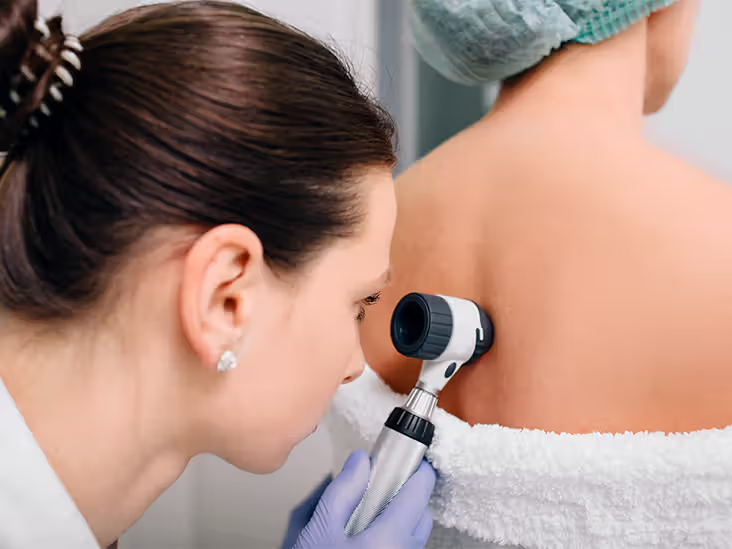
Your skin is the largest organ of your body, and it can tell you a lot about your overall health. Small problems such as an occasional pimple or dry skin often improve with simple home care. However, some skin, hair, and nail problems need professional attention. Knowing when to see a dermatologist can help you get the right treatment before a minor problem becomes more serious.
A dermatologist is a medical doctor who specializes in conditions affecting the skin, hair, and nails. They can diagnose common problems such as acne, eczema, and fungal infections, but they also check unusual moles, persistent rashes, hair loss, and other conditions.
In this article, we will discuss the common signs that mean it may be time to visit a dermatologist and what you can expect during an appointment.
What Does a Dermatologist Treat?
Dermatologists treat a wide range of skin, hair, and nail conditions. Some of the most common include:
- Acne and acne scars
- Eczema
- Psoriasis
- Rosacea
- Skin allergies and rashes
- Fungal and bacterial skin infections
- Warts
- Unusual or changing moles
- Skin discoloration
- Excessive sweating
- Hair loss
- Dandruff and scalp conditions
- Nail infections and changes
- Signs of skin cancer
You do not necessarily need to wait until a problem becomes painful before seeing a dermatologist. Persistent or unexplained changes are also good reasons to seek professional advice.
When to See a Dermatologist for Acne
Acne is common, especially among teenagers and young adults. Occasional pimples can often be managed with a gentle skincare routine and over-the-counter products.
However, you should consider seeing a dermatologist if your acne is:
- Painful or deep under the skin
- Leaving scars or dark marks
- Covering large areas of your face, chest, or back
- Not improving after several weeks of basic treatment
- Affecting your confidence or daily life
A dermatologist can determine the type and severity of acne and recommend treatments that are appropriate for your skin.
Treating severe acne earlier can also help reduce the risk of permanent scarring.
Persistent Rashes Need Attention
A rash can happen for many reasons. It may be caused by an allergy, irritation, infection, medication, eczema, or another skin condition.
If a rash lasts for a long time, repeatedly comes back, spreads, becomes painful, or does not improve with basic care, a dermatologist can help identify the cause.
You should also seek medical attention if a rash appears suddenly and is accompanied by serious symptoms such as difficulty breathing, swelling of the face or throat, or feeling faint. These symptoms can indicate a severe allergic reaction and require urgent medical care.
When to See a Dermatologist for a Mole
Most moles are harmless, but changes in a mole should not be ignored.
Pay attention to a mole that changes in:
- Shape: One side looks different from the other.
- Border: The edges become irregular or uneven.
- Color: The mole develops different colors or becomes noticeably darker.
- Size: It grows or becomes larger.
- Appearance: It looks significantly different from your other moles.
A mole that repeatedly bleeds, crusts, itches, or does not heal should also be examined by a medical professional.
A dermatologist can examine suspicious spots and decide whether further testing, such as a biopsy, is needed.
Hair Loss Is Another Reason to Get Checked
Some hair shedding is normal. However, sudden, excessive, or unexplained hair loss may need professional evaluation.
Consider seeing a dermatologist if you notice:
- Bald patches
- Rapid thinning
- Hair falling out in large amounts
- Scalp itching, scaling, or pain
- Changes in your hair texture along with hair loss
- Hair loss after an illness or major physical change
There are many possible causes of hair loss, including genetic factors, certain medical conditions, nutritional problems, hormonal changes, medications, and scalp disorders. A dermatologist can help determine what may be contributing to the problem.
Persistent Itching Should Not Be Ignored
Everyone experiences itchy skin occasionally. Dry weather, insect bites, or mild irritation can cause temporary itching.
But if itching continues for weeks, becomes severe, affects your sleep, or occurs without an obvious reason, it is worth getting checked.
Constant scratching can damage the skin and increase the risk of infection. A dermatologist can examine your skin and determine whether the itching is related to dryness, eczema, an allergy, an infection, or another condition.
When to See a Dermatologist for Dry Skin
Dry skin is usually manageable with moisturizers, gentle cleansers, and good skincare habits. However, extremely dry skin that cracks, bleeds, becomes painful, or does not improve may require medical attention.
Sometimes what appears to be simple dryness may actually be eczema, psoriasis, dermatitis, or another skin condition.
If your skin remains unusually dry despite regular moisturizing, a dermatologist can help identify the underlying cause.
Nail Changes Can Also Be Important
Dermatologists do not only treat skin problems. They also diagnose conditions affecting the nails.
See a dermatologist if your nails develop unexplained:
- Discoloration
- Thickening
- Crumbling
- Separation from the nail bed
- Pain or swelling
- Persistent spots or lines
Fungal infections are one possible cause, but nail changes can have several different causes. Getting the correct diagnosis is important because different conditions require different treatments.
Skin Infections May Need Professional Treatment
Redness, swelling, warmth, pus, crusting, or rapidly spreading irritation can sometimes indicate an infection.
Fungal infections, for example, may appear as itchy, scaly, or ring-shaped patches. Some infections can spread to other areas or to other people.
If an infection does not improve with appropriate over-the-counter treatment, keeps returning, or is spreading, consult a healthcare professional.
If you develop rapidly increasing redness or swelling, severe pain, fever, or other signs of a serious infection, seek medical attention promptly.
When Skincare Products Cause Problems
A new skincare product can sometimes cause irritation or an allergic reaction. Symptoms may include redness, burning, itching, swelling, or peeling.
If your skin repeatedly reacts to different products, a dermatologist may help determine what ingredients or conditions are causing the problem.
They can also help you create a skincare routine based on your skin type and specific concerns instead of simply trying multiple products.
You Can See a Dermatologist for More Than Skin Problems
Dermatologists can also help with cosmetic and long-term skin concerns. People may seek professional advice for:
- Acne scars
- Uneven skin tone
- Sun damage
- Fine lines and wrinkles
- Excessive sweating
- Unwanted hair
- Certain types of pigmentation
A dermatologist can explain which treatments may be suitable and what results you can realistically expect.
What Happens During a Dermatology Appointment?
Many people feel nervous before their first dermatology appointment, but the process is usually straightforward.
The dermatologist will generally ask about your symptoms, when they started, whether they have changed, and what treatments or products you have already tried.
They will examine the affected area and may check other parts of your skin if necessary. Depending on the problem, they might recommend medication, blood tests, a skin scraping, allergy testing, or a biopsy.
It can help to bring a list of medications and skincare products you use. If a condition comes and goes, photographs showing how it looked during a flare-up may also be useful.
Should You Wait for a Skin Problem to Get Worse?
Not always.
If a problem is persistent, unusual, painful, rapidly changing, or affecting your everyday life, getting professional advice earlier can be helpful. Waiting too long may allow some conditions to become harder to manage.
This does not mean every pimple, dry patch, or minor irritation requires a dermatologist. The key is to pay attention to changes and how long they last.
How Often Should You See a Dermatologist?
There is no single schedule that works for everyone. Your need for dermatology appointments depends on your age, skin history, family history, existing conditions, and risk factors.
Some people may only need an appointment when a specific problem develops. Others may benefit from regular skin checks, especially if they have a history of skin cancer, numerous unusual moles, or other risk factors.
If you are unsure whether a skin concern requires an appointment, contacting a qualified healthcare professional can help you decide.
Final Thoughts
Knowing when to see a dermatologist can make it easier to deal with skin, hair, and nail problems before they become more difficult to manage. Persistent acne, unusual moles, unexplained rashes, ongoing itching, sudden hair loss, nail changes, and recurring infections are some common reasons to seek professional advice.
Your skin can change for many reasons, and it is not always possible to identify the cause by looking at it yourself. A dermatologist can provide a proper examination and recommend treatment based on your specific condition.
Most importantly, do not ignore a skin change simply because it is not painful. If something is unusual, persistent, rapidly changing, or concerning you, professional advice can provide clarity and help you choose the appropriate next step.
Frequently Asked Questions
1. When should I see a dermatologist for my skin?
You should consider seeing a dermatologist when a skin problem persists, keeps returning, becomes painful, spreads, or does not respond to basic treatment. Unusual moles and unexplained skin changes should also be professionally evaluated.
2. Can a dermatologist treat hair loss?
Yes. Dermatologists diagnose and treat many types of hair loss. They can examine your scalp, consider possible causes, and recommend appropriate treatment based on the underlying problem.
3. Should I see a dermatologist for acne?
You may benefit from seeing a dermatologist if acne is severe, painful, persistent, causing scars, or not improving with basic treatments. Early professional treatment may help control acne and reduce scarring.
4. What happens if a dermatologist finds a suspicious mole?
The dermatologist may examine the mole closely and, if necessary, recommend a biopsy. A biopsy involves removing a small sample of tissue so it can be examined in a laboratory.
5. Do I need a dermatologist for dry or itchy skin?
Occasional dry or itchy skin often improves with simple skincare. However, persistent, severe, cracked, bleeding, or unexplained itching or dryness should be evaluated by a healthcare professional.