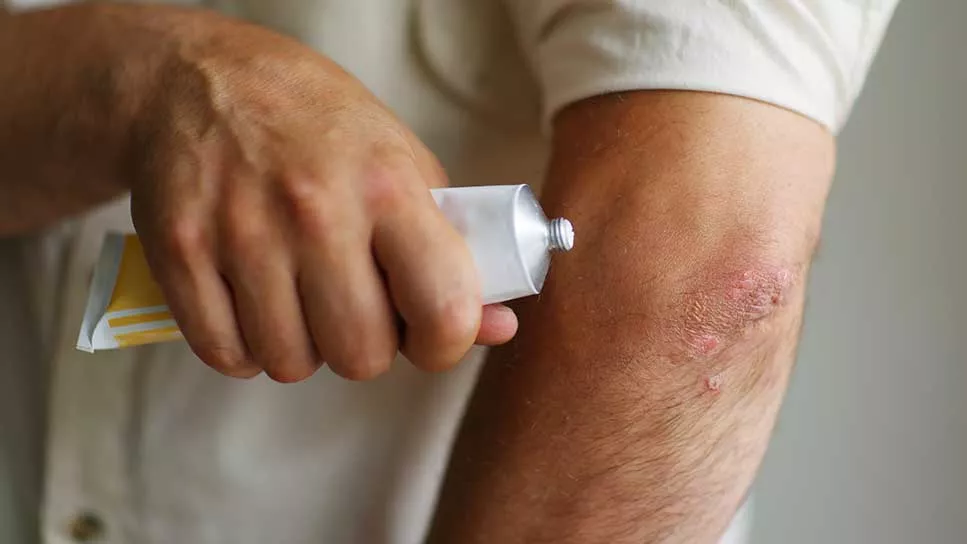
Eczema is a common skin condition that can cause dry, itchy, red, and irritated skin. For some people, eczema appears occasionally, while others deal with symptoms regularly. It can affect children, teenagers, and adults and may appear on the hands, face, arms, legs, or other areas of the body.
Although there is currently no single treatment that permanently cures all types of eczema, the right approach can help control symptoms, repair the skin barrier, and reduce flare-ups. Treatment often depends on the type and severity of eczema, the person’s age, and what triggers their symptoms.
Understanding the different eczema treatment options can help you have a more useful conversation with a healthcare professional and choose an appropriate treatment plan.
What Is Eczema?
Eczema is a group of conditions that cause inflammation and irritation of the skin. Atopic dermatitis is the most common type. People with eczema may have a weakened skin barrier, which allows the skin to lose moisture more easily and become more sensitive to irritants.
Common symptoms include:
- Dry or cracked skin
- Intense itching
- Red or inflamed patches
- Rough or scaly skin
- Swelling
- Small bumps or blisters
- Thickened skin after repeated scratching
Eczema symptoms can come and go. A period when symptoms become worse is often called a flare-up.
What Causes Eczema Flare-Ups?
Eczema does not have one single cause. Genetics, immune-system activity, and the skin barrier can all play a role. Certain environmental factors may also trigger or worsen symptoms.
Common triggers include:
- Fragranced soaps and skincare products
- Very hot showers
- Dry weather
- Sweat and heat
- Stress
- Certain fabrics, such as wool
- Household cleaning products
- Dust or other environmental irritants
- Scratching or rubbing the skin
Identifying personal triggers can be an important part of managing eczema.
Eczema Treatment Options
Treatment usually focuses on keeping the skin moisturized, reducing inflammation, controlling itching, and preventing future flare-ups. A healthcare professional can recommend the most appropriate option based on your symptoms.
1. Moisturizers and Emollients
Moisturizers are one of the most important parts of eczema care. They help add moisture to dry skin and support the skin barrier.
Creams and ointments are often useful because they can provide longer-lasting moisture than many lightweight lotions. Applying moisturizer regularly can help reduce dryness and irritation.
For best results, moisturizer is generally applied after bathing while the skin is still slightly damp.
People with eczema may need to moisturize several times a day, particularly when their skin feels dry.
2. Topical Corticosteroids
Topical corticosteroids are commonly prescribed to reduce inflammation during eczema flare-ups. They come in different strengths, and the appropriate strength depends on factors such as the affected body area, age, and severity of symptoms.
For example, skin on the face and other sensitive areas may require different treatment from thicker skin on the hands or feet.
These medications should be used according to medical advice. Using stronger steroids for too long or on inappropriate areas can increase the risk of side effects.
3. Non-Steroid Prescription Creams and Ointments
Some people may benefit from non-steroid topical medicines. These treatments can help reduce inflammation and may be useful when corticosteroids are not appropriate or when certain areas require longer-term management.
Examples include topical calcineurin inhibitors and other prescription anti-inflammatory treatments.
Your healthcare professional can explain which option is suitable based on your symptoms and skin location.
4. Medicines for Severe Eczema
When eczema is widespread or difficult to control with topical treatments, a doctor may consider treatments that work throughout the body.
Depending on the individual situation, options may include oral medicines, injectable biologic medicines, or other targeted treatments.
These treatments are generally reserved for moderate-to-severe eczema and require medical supervision. Your healthcare professional may discuss the potential benefits, risks, and monitoring requirements before starting treatment.
5. Managing Itching
Itching is one of the most frustrating symptoms of eczema. Unfortunately, scratching can damage the skin and create a cycle in which itching leads to more irritation.
Several strategies can help:
- Keep fingernails short.
- Apply moisturizer regularly.
- Use cool compresses when itching becomes intense.
- Avoid very hot water.
- Wear soft, breathable clothing.
- Follow your prescribed eczema treatment.
- Try not to scratch irritated areas.
If itching is severe or affecting sleep, speak with a healthcare professional rather than relying on over-the-counter products without guidance.
6. Gentle Bathing and Skin Care
Daily skincare habits can make a noticeable difference in eczema management.
Use lukewarm rather than very hot water. Keep bathing or showering reasonably short and choose gentle, fragrance-free cleansers.
After bathing, gently pat the skin dry instead of rubbing it. Apply a thick moisturizer soon afterward to help retain moisture.
Avoid products that contain strong fragrances or ingredients that consistently irritate your skin.
7. Wet-Wrap Therapy
Wet-wrap therapy may sometimes be recommended for people experiencing significant eczema flare-ups. It involves applying medication or moisturizer and covering the affected skin with appropriate damp and dry layers.
This can help keep the skin hydrated and may reduce scratching.
Because wet wraps are not appropriate for every situation, especially when there is a skin infection, it is best to learn the technique from a healthcare professional.
8. Phototherapy
Phototherapy, sometimes called light therapy, uses controlled amounts of ultraviolet light under medical supervision.
It may be considered when eczema does not respond adequately to topical treatments or when symptoms are widespread.
Phototherapy is not the same as simply exposing eczema to sunlight. Medical treatment uses controlled equipment and a carefully managed schedule to reduce potential skin damage.
9. Identifying and Avoiding Triggers
Treatment is not only about medication. Understanding what makes your eczema worse can also help prevent flare-ups.
Consider keeping a simple record of your symptoms. Note new skincare products, weather changes, sweating, stress, clothing, cleaning products, and other possible triggers.
However, avoid eliminating foods from your diet simply because you suspect they cause eczema unless a healthcare professional recommends it. Unnecessary food restrictions can make it harder to maintain a balanced diet.
10. Treating Infected Eczema
Sometimes eczema can become infected because damaged skin allows bacteria or other microorganisms to enter.
Signs that may indicate infection include increasing pain, warmth, swelling, pus, crusting, rapidly worsening symptoms, or feeling unwell.
If you notice these signs, seek medical advice. An infection may require specific treatment, and ordinary eczema creams alone may not be enough.
How Long Does Eczema Treatment Take?
The time required to control eczema varies from person to person. Mild symptoms may improve relatively quickly with consistent skincare and appropriate treatment, while moderate or severe eczema may require longer-term management.
Eczema can also return after a period of improvement. This does not necessarily mean treatment has failed. Many people need an ongoing skincare routine to maintain healthy skin and reduce the frequency or severity of flare-ups.
The goal is usually long-term control rather than a one-time cure.
When Should You See a Dermatologist?
Consider seeing a dermatologist if:
- Your eczema keeps returning.
- Over-the-counter products are not helping.
- Symptoms interfere with sleep or daily activities.
- The rash is spreading or becoming painful.
- Your skin is cracking or bleeding frequently.
- You are unsure whether the rash is actually eczema.
- You have signs of infection.
- You need stronger or prescription treatment.
A dermatologist can examine your skin, determine whether eczema is the likely cause, and create a treatment plan based on your specific symptoms.
Final Thoughts
There are several eczema treatment options, ranging from regular moisturizers and gentle skincare to prescription medicines, phototherapy, and advanced treatments for more severe cases. The most suitable approach depends on the type and severity of eczema and the individual’s symptoms.
One of the most useful habits is to maintain a consistent skincare routine even when the skin looks better. Regular moisturizing, avoiding known irritants, and treating flare-ups early can help protect the skin barrier.
If eczema is persistent, severe, or affecting your quality of life, professional medical advice can help you find a safer and more effective long-term management plan.
Frequently Asked Questions
1. What is the best treatment for eczema?
There is no single treatment that works best for everyone. Moisturizing regularly is an important part of eczema care, while prescription treatments may be needed during moderate or severe flare-ups. A healthcare professional can recommend treatment based on your symptoms.
2. Can eczema be permanently cured?
Eczema does not currently have a universal permanent cure. However, many people can control their symptoms effectively through regular skincare, trigger management, and appropriate medical treatment.
3. Is it okay to scratch eczema?
It is better to avoid scratching because it can damage the skin, increase irritation, and potentially increase the risk of infection. Keeping the skin moisturized and using appropriate treatment can help reduce itching.
4. Can moisturizer make eczema better?
Yes. Regular use of a suitable moisturizer can help reduce dryness and support the skin barrier. Thick creams or ointments may be particularly helpful for very dry skin.
5. When should I see a doctor for eczema?
You should consider seeing a doctor or dermatologist if your symptoms are severe, keep returning, interfere with sleep, become painful, spread rapidly, or do not improve with basic skincare. Medical attention is especially important when there are signs of infection.