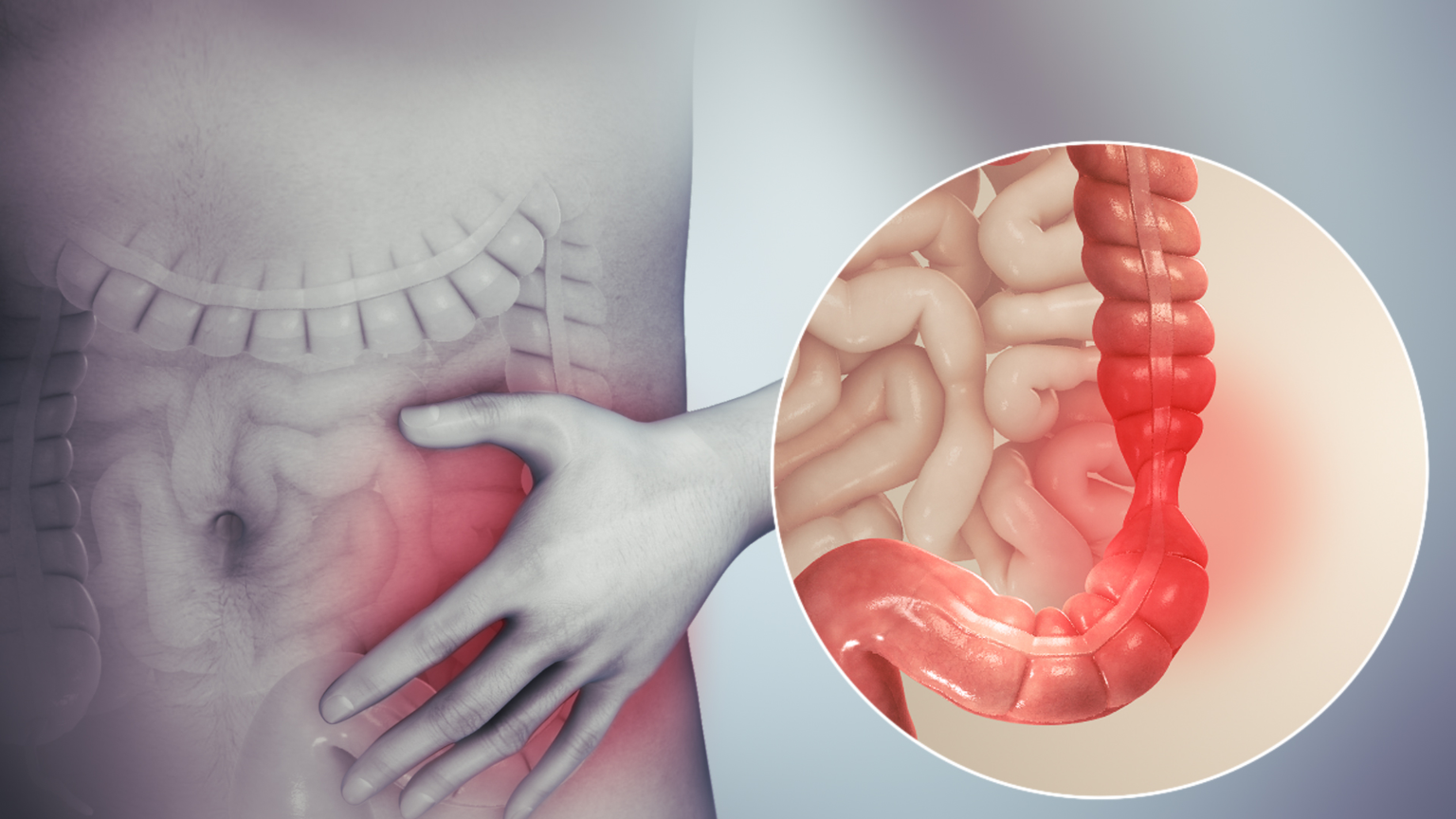
Irritable bowel syndrome (IBS) is a common digestive condition that can affect everyday life. It mainly changes the way the bowel works and may cause uncomfortable symptoms such as stomach pain, bloating, gas, constipation, or diarrhea. Some people experience only mild symptoms from time to time, while others may deal with symptoms regularly.
One reason IBS can be confusing is that its symptoms can look similar to those of other digestive problems. Understanding the common irritable bowel syndrome symptoms can help you recognize patterns in your digestive health and know when it may be useful to speak with a healthcare professional.
What Is Irritable Bowel Syndrome?
Irritable bowel syndrome is a condition that affects the digestive system, particularly the large intestine. It is often described as a disorder of how the gut functions rather than a disease that causes visible damage to the digestive tract.
IBS can affect people differently. Some people mainly experience constipation, while others have frequent diarrhea. Some experience both, with bowel habits changing between constipation and diarrhea.
IBS does not usually cause permanent damage to the intestines, but its symptoms can be uncomfortable and sometimes interfere with work, school, sleep, social activities, and meals.
Common Irritable Bowel Syndrome Symptoms
The symptoms of IBS can vary from person to person. However, several digestive complaints are especially common.
1. Abdominal Pain or Cramping
Stomach pain is one of the most common IBS symptoms. It may feel like cramping, aching, pressure, or discomfort in different areas of the abdomen.
The pain may come and go rather than staying constant. Some people notice that it changes after having a bowel movement. It may also become more noticeable after eating certain foods.
Keeping track of when abdominal pain occurs can help identify patterns and possible triggers.
2. Bloating
Bloating can make your stomach feel full, swollen, or tight. You may feel uncomfortable even after eating a relatively small meal.
People with IBS may notice bloating more often after certain foods or during periods of stress. In some cases, bloating can become noticeable throughout the day and may improve after passing gas or having a bowel movement.
3. Excessive Gas
Gas is a normal part of digestion, but people with IBS may feel that they have more gas or are more sensitive to it.
You may experience frequent burping, passing gas, or a feeling of pressure in the abdomen. Gas can sometimes occur together with bloating and abdominal discomfort.
Certain foods, eating too quickly, carbonated drinks, and changes in gut bacteria may contribute to increased gas for some people.
4. Diarrhea
Some people with IBS have frequent loose or watery stools. This form is sometimes called IBS with diarrhea, or IBS-D.
You may feel an urgent need to use the bathroom, particularly after eating. Some people may also notice that their bowel movements become more frequent during stressful situations.
Sudden changes in bowel habits should not automatically be assumed to be IBS, especially if they are severe or persistent. Other digestive conditions can also cause diarrhea.
5. Constipation
Other people with IBS experience constipation. This can mean having fewer bowel movements, passing hard stools, or feeling that the bowel has not completely emptied.
Straining during bowel movements may also occur. Constipation can sometimes alternate with periods of diarrhea.
Drinking enough fluids, eating an appropriate amount of fiber, and staying physically active can support healthy bowel function, although individual needs vary.
6. Changes in Bowel Habits
A noticeable change in your normal bowel pattern can be an important part of IBS.
For example, you might experience constipation for several days and then have loose stools. Another person may consistently have diarrhea or constipation.
The important point is that IBS symptoms often follow a recurring pattern rather than being a single isolated digestive problem.
7. Feeling of Incomplete Bowel Movement
Some people with IBS feel as though they still need to use the bathroom even after having a bowel movement.
This sensation can be frustrating and may lead to repeated trips to the bathroom. It may occur alongside constipation, abdominal discomfort, or changes in stool consistency.
What Can Trigger IBS Symptoms?
IBS symptoms may be influenced by several factors. A trigger for one person may not affect another.
Certain Foods
Food is a common factor people associate with IBS symptoms. Some individuals notice problems after eating fatty foods, spicy meals, dairy products, caffeine, alcohol, or particular carbohydrates.
A healthcare professional or registered dietitian may recommend keeping a food and symptom diary to identify patterns.
Some people may benefit from a low-FODMAP diet under professional guidance. This approach temporarily limits certain fermentable carbohydrates and then gradually reintroduces foods to identify individual triggers.
Stress and Emotional Factors
The digestive system and brain communicate closely. Stress does not mean that IBS symptoms are imaginary. Instead, changes in the gut-brain connection may influence how the digestive system functions and how strongly digestive sensations are felt.
Some people notice more abdominal pain, diarrhea, constipation, or bloating during stressful periods.
Relaxation techniques, regular physical activity, adequate sleep, and professional support for ongoing stress may be useful parts of an overall IBS management plan.
Hormonal Changes
Some people, particularly women, notice that digestive symptoms change around their menstrual period. Hormonal fluctuations may influence bowel activity and pain sensitivity.
If symptoms repeatedly become worse at a particular time of the menstrual cycle, recording them may help identify a pattern.
How Is IBS Diagnosed?
There is no single test that confirms IBS in every person. A healthcare professional usually considers your symptoms, their duration, your medical history, and your bowel habits.
Depending on your symptoms and medical history, a clinician may recommend tests to rule out other conditions. These could include blood tests, stool tests, or other investigations when appropriate.
It is important not to diagnose yourself based only on abdominal pain or changes in bowel movements. Similar symptoms can occur with infections, inflammatory bowel disease, celiac disease, food intolerances, and other conditions.
When Should You See a Doctor?
Many digestive symptoms are not serious, but some signs require medical attention.
Speak with a healthcare professional if bowel symptoms are persistent, recurring, getting worse, or interfering with daily activities.
You should seek prompt medical evaluation if digestive symptoms occur with warning signs such as:
- Blood in the stool
- Unexplained weight loss
- Persistent vomiting
- Fever
- Severe or worsening abdominal pain
- Significant weakness or anemia
- Symptoms that repeatedly wake you from sleep
- A new and persistent change in bowel habits, particularly later in adulthood
These symptoms do not necessarily mean that you have a serious disease, but they should be evaluated rather than automatically attributed to IBS.
Managing IBS Symptoms
There is no single treatment that works for everyone with IBS. Management usually focuses on reducing symptoms and improving quality of life.
Eating regular meals, staying hydrated, getting enough physical activity, and identifying personal food triggers may help some people.
Fiber can also be useful, especially for constipation, but increasing it too quickly may cause more gas and bloating. Gradually changing your fiber intake may be more comfortable.
Some people may need medication for specific symptoms. Depending on the situation, a healthcare professional may recommend treatment for constipation, diarrhea, abdominal pain, or other symptoms.
Stress management can also be an important part of care. Activities such as walking, breathing exercises, meditation, or talking with a mental health professional may help some people manage the gut-brain component of IBS.
Keeping a Symptom Diary
A simple symptom diary can be surprisingly useful. Record:
- What you eat and drink
- When symptoms begin
- Abdominal pain or bloating
- Number and type of bowel movements
- Stressful events
- Sleep patterns
- Menstrual cycle changes, if relevant
- Any medications or supplements you take
After several weeks, you may notice patterns that were difficult to see before. You can also take this information to a healthcare professional, making it easier to discuss your symptoms.
Final Thoughts
Understanding irritable bowel syndrome symptoms is an important first step toward managing digestive discomfort. Abdominal pain, bloating, gas, diarrhea, constipation, and changes in bowel habits are common features, but IBS can look different from one person to another.
The goal is not simply to avoid every food or activity that might cause discomfort. Instead, it is to understand your individual triggers and develop a sustainable approach that supports your digestive health.
If symptoms continue, become severe, or occur alongside warning signs such as blood in the stool or unexplained weight loss, speak with a healthcare professional. Proper evaluation can help distinguish IBS from other conditions and guide appropriate treatment.
Frequently Asked Questions
1. What are the most common irritable bowel syndrome symptoms?
Common symptoms include abdominal pain or cramping, bloating, gas, constipation, diarrhea, changes in bowel habits, and a feeling of incomplete bowel movements. Symptoms can vary considerably between individuals.
2. Can IBS cause both constipation and diarrhea?
Yes. Some people experience alternating constipation and diarrhea. This pattern is often referred to as mixed-type IBS. Others may primarily experience constipation or primarily experience diarrhea.
3. Can stress make IBS symptoms worse?
Stress may worsen symptoms for some people because of the close communication between the brain and digestive system. Stress can influence bowel movement patterns and how digestive sensations are experienced.
4. What foods can trigger IBS symptoms?
Potential triggers vary. Some people react to fatty foods, spicy foods,