Your eyes work hard every day. From reading and working on a computer to driving, watching television, and using your phone, your vision plays an important role in almost everything you do. Yet many people only think about their eye health when their vision becomes blurry or they start experiencing discomfort.
Regular eye exams can help detect vision problems and identify certain eye conditions before they cause noticeable symptoms. So, how often should you get an eye exam? The answer depends on your age, general health, vision needs, family history, and whether you already wear glasses or contact lenses.
There is no single schedule that works for everyone. Some people may need an eye exam every year, while others may be able to go longer between routine visits. Understanding the factors that affect your recommended schedule can help you take better care of your eyes.
Why Are Regular Eye Exams Important?
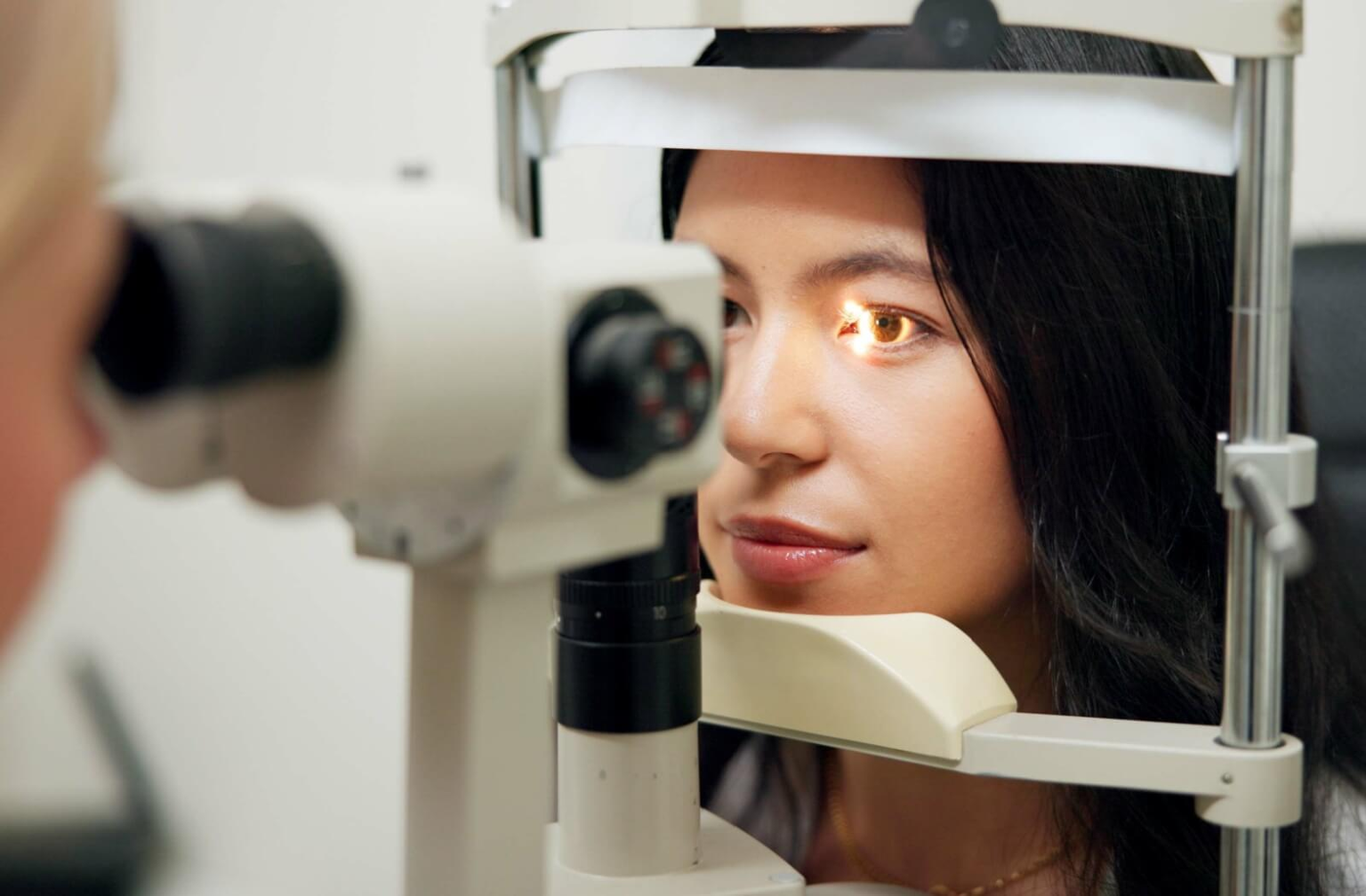
An eye exam is more than simply checking whether you can read letters on a chart. A comprehensive exam can assess your vision and allow an eye-care professional to look for signs of different eye problems.
Some eye conditions may develop slowly without obvious symptoms. A person can feel that their vision is normal while still having an eye problem that needs attention.
Regular examinations can help:
- Check whether your vision has changed
- Determine whether you need glasses or contact lenses
- Update an existing glasses or contact lens prescription
- Detect certain eye diseases
- Monitor existing eye conditions
- Identify changes that may require further medical attention
Eye exams can also be useful for people who spend many hours looking at screens, because prolonged screen use may be associated with symptoms such as tired eyes, dryness, headaches, or temporary blurry vision.
How Often Should You Get an Eye Exam?
For many healthy adults, an eye exam every one to two years may be appropriate, but the ideal schedule depends on individual circumstances.
Adults who have no known eye problems and have healthy vision may not need examinations as frequently as people with vision conditions or risk factors.
Your eye-care professional may recommend more frequent visits if you:
- Wear glasses or contact lenses
- Have diabetes or another condition that can affect the eyes
- Have a family history of certain eye diseases
- Have been diagnosed with an eye condition
- Take medications that can affect eye health
- Are experiencing changes in vision
- Are older and at increased risk of age-related eye conditions
Rather than following a schedule based only on age, it is better to consider your personal eye-health needs.
Eye Exam Schedule for Children
Children need regular vision checks because healthy eyesight is important for learning and development.
Vision problems can sometimes affect a child’s ability to read, write, concentrate, or participate comfortably in school activities. Children may not always realize that their vision is different from other people’s, so parents should pay attention to possible warning signs.
A child may need an eye examination if they:
- Frequently squint
- Sit very close to the television or screen
- Hold books unusually close to their face
- Complain of headaches
- Have difficulty reading
- Frequently rub their eyes
- Have trouble seeing the board at school
- Cover or close one eye when looking at something
The recommended timing of children’s eye exams can vary depending on age and risk factors. Pediatricians, schools, and eye-care professionals may also perform vision screenings, but a screening is not necessarily the same as a comprehensive eye examination.
How Often Should Teenagers Get an Eye Exam?
Teenagers spend a significant amount of time studying, using smartphones, computers, and other digital devices. Their vision can also change during the teenage years.
If a teenager already wears glasses or contact lenses, regular examinations are particularly important because their prescription may change.
A teenager should also have an eye examination if they notice:
- Blurry distance or near vision
- Frequent headaches
- Difficulty seeing classroom boards
- Eye strain
- Difficulty focusing
- Problems seeing at night
- Changes in their existing vision
If there are no concerns, the appropriate examination schedule can be discussed with an eye-care professional.
Eye Exams for Adults
Adults should not wait until they have obvious vision problems before thinking about eye health.
People in their 20s and 30s may have healthy eyes but can still develop vision changes. Regular examinations can help determine whether their prescription has changed and whether additional evaluation is needed.
Adults who work on computers for long periods may also benefit from discussing digital eye strain with an eye-care professional. Simple changes such as taking regular breaks, adjusting screen brightness, maintaining a comfortable viewing distance, and remembering to blink can help reduce discomfort.
Eye Exams After Age 40
Eye health becomes increasingly important as people get older. Some age-related eye conditions become more common in middle age and later life.
After around age 40, an eye-care professional may recommend a different examination schedule depending on your risk factors and overall eye health.
People may begin noticing changes such as difficulty reading small print or focusing on nearby objects. This can happen because the eye’s ability to focus at close distances naturally changes with age.
An eye exam can help determine whether these changes are related to normal age-related focusing changes or something that requires further evaluation.
Eye Exams for Older Adults
Older adults may need more frequent eye examinations because the risk of certain eye conditions increases with age.
Conditions such as cataracts, glaucoma, and age-related changes in the retina can affect vision. Some of these conditions may develop gradually.
People should follow the examination schedule recommended by their eye-care professional, particularly if they have an existing eye condition or other health risk factors.
If an older adult suddenly experiences a significant change in vision, they should not wait for their next routine appointment.
When You Should Have an Eye Exam Sooner
Routine appointments are important, but some symptoms should be checked promptly.
Contact an eye-care professional if you experience:
- Sudden blurry vision
- New or increasing eye pain
- Flashes of light
- A sudden increase in floaters
- Double vision
- Sudden loss of vision
- Significant redness or swelling
- Difficulty seeing that develops unexpectedly
Some sudden vision changes can require urgent medical evaluation. If vision loss occurs suddenly or is accompanied by severe pain or other serious symptoms, seek emergency medical care.
People With Diabetes May Need More Frequent Exams
Diabetes can affect the blood vessels in the retina and may lead to diabetic eye disease. Importantly, diabetic eye disease may not cause noticeable symptoms during its early stages.
For this reason, people with diabetes should discuss an appropriate eye-exam schedule with their healthcare team and eye-care professional.
Keeping blood sugar, blood pressure, and other health factors under appropriate control can also be an important part of protecting long-term eye health.
Contact Lens Wearers Need Regular Checkups
If you wear contact lenses, routine eye care is important even when your vision seems fine.
Contact lenses sit directly on the surface of the eye, so improper use or poor hygiene can increase the risk of irritation and infection.
During an eye examination, an eye-care professional can assess your vision and discuss whether your contact lenses are suitable for your eyes.
Always follow instructions about cleaning, replacing, and wearing contact lenses. Avoid sleeping in lenses unless specifically advised that the particular lenses are appropriate for overnight wear.
What Happens During an Eye Exam?
A comprehensive eye examination may include several different checks.
Your eye-care professional may ask about your medical history, family eye history, medications, and vision concerns. You may have your visual acuity tested to determine how clearly you can see at different distances.
Depending on your age and individual circumstances, the examination may also include checks of:
- Eye movement
- Focusing ability
- Eye pressure
- Peripheral vision
- The health of the retina
- The optic nerve
- The front structures of the eye
The exact tests used can vary from person to person.
How to Prepare for Your Eye Exam
You generally do not need complicated preparation for a routine eye examination.
Before your appointment, consider making a list of:
- Current glasses or contact lens information
- Medications you take
- Previous eye conditions
- Family history of eye disease
- Any recent changes in your vision
- Symptoms such as headaches, dryness, pain, or blurry vision
If you wear contact lenses, ask the clinic whether you should remove them before the appointment.
It is also helpful to tell the eye-care professional how much time you spend using computers, phones, or other digital screens.
Don’t Wait for Your Vision to Get Worse
One of the biggest mistakes people make is assuming that clear vision automatically means healthy eyes. Vision can sometimes remain normal while an eye condition develops.
That is why routine eye care matters. Your recommended schedule may be once a year, every two years, or more frequently depending on your age and personal risk factors.
If you have not had an eye exam for a long time, consider scheduling one and asking the eye-care professional how often you should return.
Final Thoughts
So, how often should you get an eye exam? There is no universal answer. Healthy adults may often have routine examinations every one to two years, while children, older adults, contact lens users, people with diabetes, and those with existing eye conditions may need a different schedule.
The most important point is not to wait for serious vision problems before seeking care. Regular eye examinations can help monitor changes in your vision and provide an opportunity to identify eye-health concerns early.
Your eyes are part of your overall health, and giving them regular attention can help you maintain comfortable and useful vision throughout life.
Frequently Asked Questions
1. How often should a healthy adult get an eye exam?
Many healthy adults may have an eye exam every one to two years, but the appropriate interval depends on age, family history, vision needs, and other risk factors. An eye-care professional can recommend a schedule based on your individual situation.
2. Do I need an eye exam if I can see clearly?
Yes. Clear vision does not always mean that your eyes are completely healthy. Some eye conditions can develop without noticeable symptoms, making routine examinations useful.
3. How often should children have eye exams?
Children’s eye-care needs vary according to their age, development, vision history, and risk factors. Regular vision screening and comprehensive eye examinations when recommended can help identify problems that may affect learning and development.
4. Should I get an eye exam every year if I wear glasses?
Not everyone who wears glasses necessarily needs an annual examination, but regular checkups can help determine whether your prescription has changed and whether your eyes remain healthy. Your eye-care professional can recommend the appropriate interval.
5. Can I wait for my next appointment if I suddenly lose vision?
No. Sudden vision loss requires prompt medical attention. Do not wait for a routine eye examination if you experience sudden loss of vision, severe eye pain, or another significant and unexpected change in your eyesight.