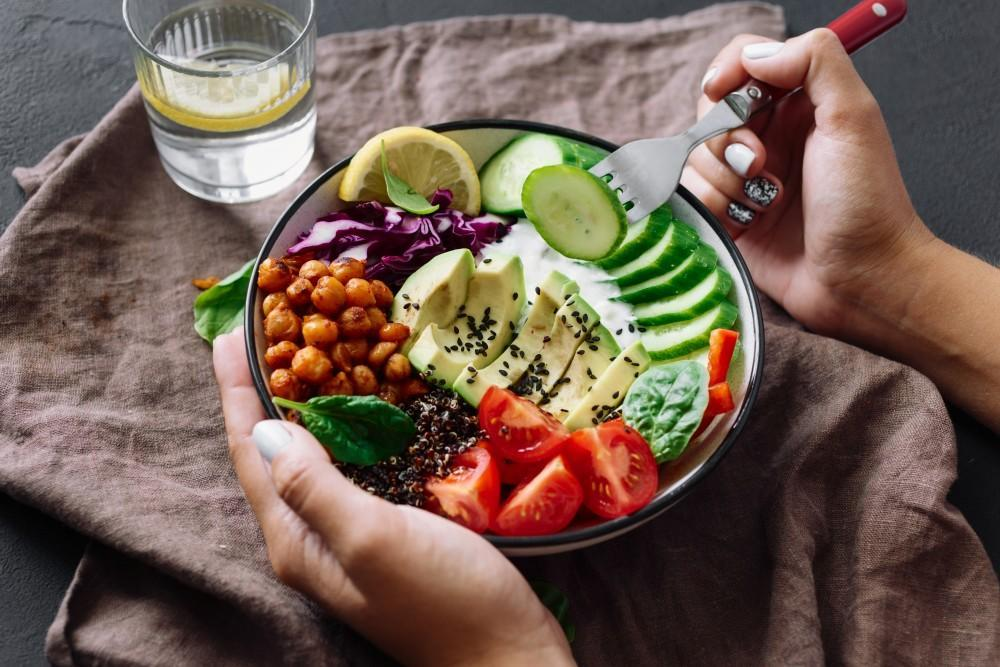
Maintaining a healthy weight is not only about eating less or following a strict diet. It is about learning how to choose foods that support your body while creating eating habits you can continue for a long time. Healthy eating for weight management focuses on balanced meals, sensible portions, nutritious ingredients, and a lifestyle that feels realistic.
Many people start a diet with strict rules. They may remove entire food groups, skip meals, or eat very small amounts. These methods can sometimes lead to short-term weight changes, but they are often difficult to maintain. A healthier approach is to build simple habits that help you manage your weight without feeling constantly hungry or deprived.
What Is Healthy Eating for Weight Management?
Healthy eating for weight management means choosing a variety of nutritious foods while being aware of how much you eat. Your body needs carbohydrates, protein, healthy fats, vitamins, minerals, fiber, and water to function properly.
A balanced eating pattern can include:
- Fresh or frozen vegetables
- Whole fruits
- Whole grains
- Beans and lentils
- Lean sources of protein
- Nuts and seeds
- Low-fat or unsweetened dairy products, when suitable
- Healthy sources of fats
- Plenty of water
The goal is not to make every meal perfect. Instead, the focus should be on making healthier choices most of the time.
Why Healthy Eating Helps With Weight Management
Food provides energy to your body. When you regularly consume more energy than your body needs, excess energy can be stored as body fat. However, weight management is influenced by more than food alone. Physical activity, sleep, stress, medications, genetics, age, and certain health conditions can also affect body weight.
Choosing foods that are rich in nutrients and fiber can make meals more satisfying. For example, vegetables, fruits, beans, and whole grains can provide fiber that helps you feel full. Protein can also help make meals satisfying.
Instead of focusing only on the number on the scale, healthy eating can help you develop habits that support overall health.
Build a Balanced Plate
One of the easiest ways to improve your eating habits is to think about what goes on your plate.
Try making vegetables and other plant foods an important part of your meal. Add a source of protein, such as beans, lentils, chicken, fish, eggs, tofu, or another suitable protein. Then include a reasonable portion of carbohydrates such as brown rice, oats, whole-grain bread, potatoes, or other whole grains.
A small amount of healthy fat can also be included. Examples include nuts, seeds, avocado, and plant oils.
You do not have to completely avoid carbohydrates or fats. The type and amount matter more than simply labeling an entire food group as “bad.”
Pay Attention to Portion Sizes
Even nutritious foods contain calories, so portions still matter when managing weight. Large portions can make it easy to consume more energy than you need.
You can start by serving yourself a reasonable amount rather than automatically filling your plate. Eat slowly and give your body time to recognize when it is becoming full.
Some simple habits include:
- Use smaller plates if large portions are common for you.
- Avoid eating directly from large packets.
- Check serving sizes on packaged foods.
- Put your meal on a plate before eating.
- Eat without rushing whenever possible.
Portion control does not mean eating tiny meals. It means finding an amount that satisfies you without regularly overeating.
Choose More High-Fiber Foods
Fiber is an important part of a healthy eating pattern. Foods containing fiber can help you feel satisfied and can support digestive health.
Good sources include vegetables, fruits, beans, lentils, oats, whole grains, nuts, and seeds.
For example, instead of choosing refined bread every time, you could sometimes choose whole-grain bread. Instead of a sugary snack, you might choose fruit with a small serving of nuts.
When increasing fiber, do it gradually and drink enough fluids.
Include Protein in Your Meals
Protein is an important nutrient for the body and can make meals more filling. Including a source of protein with meals may make it easier to manage hunger between meals.
Depending on your preferences, protein can come from chicken, eggs, fish, beans, lentils, yogurt, milk, tofu, nuts, seeds, and other foods.
A balanced meal does not need to contain a huge amount of protein. The aim is simply to include a suitable protein source as part of your overall eating pattern.
Limit Highly Processed and Sugary Foods
You do not necessarily have to completely eliminate your favorite foods. However, foods and drinks high in added sugars, saturated fat, or sodium can be easy to overconsume.
Examples can include sugary drinks, sweets, pastries, chips, and many highly processed snack foods.
Instead of thinking, “I can never eat this again,” try thinking about frequency and portion size. Enjoying a small amount occasionally can be more realistic than creating strict rules that are difficult to maintain.
Water is generally a simple choice for everyday hydration. Replacing sugary drinks with water can also reduce the amount of added sugar and calories you consume.
Plan Your Meals Ahead
Meal planning can make healthy eating easier. When people become extremely hungry, they may choose whatever food is quickest or most convenient.
Planning a few meals in advance can help you make better choices.
You can prepare basic ingredients such as:
- Washed and chopped vegetables
- Cooked beans or lentils
- Whole grains
- Lean protein
- Fresh fruit
- Healthy snacks
You do not need to prepare every meal for an entire week. Even planning tomorrow’s breakfast and lunch can make a difference.
Avoid Skipping Meals Just to Lose Weight
Skipping meals may work for some people depending on their individual eating pattern, but it is not automatically a better way to manage weight. For others, becoming very hungry can lead to overeating later.
Instead of following a strict schedule simply because a diet recommends it, pay attention to your hunger, fullness, routine, and nutritional needs.
A consistent eating pattern that provides enough nutritious food may be easier to maintain over time.
Healthy Snacks Can Be Helpful
Snacking is not automatically unhealthy. The important factors are what you eat and how much you eat.
If you are genuinely hungry between meals, choose a snack that provides useful nutrients. Options can include fruit, yogurt, nuts, vegetables with hummus, or a small whole-grain snack.
If you often snack when you are bored, stressed, or distracted, consider whether you are actually hungry. Learning to recognize different reasons for eating can help improve your relationship with food.
Combine Healthy Eating With Physical Activity
Food is only one part of weight management. Regular physical activity can support overall health and help your body use energy.
Activities do not have to mean spending hours at a gym. Walking, cycling, swimming, dancing, household activities, strength exercises, and other forms of movement can contribute to an active lifestyle.
Choose activities you enjoy because enjoyable activities are often easier to continue.
Sleep and Stress Also Matter
Healthy eating becomes more difficult when you are constantly tired or stressed. Poor sleep and high stress can affect appetite, food choices, and daily routines.
Try to create a regular sleep schedule and make time for relaxation. Simple activities such as walking, reading, breathing exercises, or spending time with supportive people may help you manage everyday stress.
Weight management should be viewed as part of overall well-being rather than a short-term project.
Make Small Changes Instead of Trying to Be Perfect
One of the biggest mistakes people make is changing everything at once. A person may suddenly remove sugar, stop eating bread, start exercising intensely, and dramatically reduce food portions.
This can feel overwhelming.
Instead, choose one or two habits at a time. For example, start drinking more water, add vegetables to lunch, reduce sugary drinks, or take a daily walk.
Once a habit becomes comfortable, add another change.
Progress does not require perfection. If you eat an unhealthy meal, you do not need to give up. Simply return to your normal healthy habits at the next meal.
Final Thoughts
Healthy eating for weight management is about creating a balanced relationship with food. It does not require extreme diets, constant hunger, or avoiding every food you enjoy.
Focus on nutritious foods, reasonable portions, adequate protein and fiber, hydration, regular movement, good sleep, and sustainable habits. Give yourself time to adjust and remember that everyone’s nutritional needs are different.
If you have a medical condition, take medications that affect weight, are pregnant, or have concerns about your eating habits, consider speaking with a qualified healthcare professional or registered dietitian for personalized guidance.
Frequently Asked Questions
1. What is healthy eating for weight management?
Healthy eating for weight management means regularly choosing nutritious foods while paying attention to portions and overall energy intake. It includes vegetables, fruits, whole grains, protein-rich foods, healthy fats, and adequate fluids.
2. Do I need to stop eating carbohydrates to manage my weight?
No. Carbohydrates can be part of a healthy eating pattern. Foods such as oats, whole grains, beans, fruits, and potatoes can provide important nutrients and energy. Portion size and the overall quality of your diet are important.
3. Can I eat snacks while trying to manage my weight?
Yes. Snacks can fit into a healthy eating pattern. If you are hungry between meals, choose nutritious options such as fruit, yogurt, vegetables, or a small portion of nuts.
4. How quickly should I expect results from healthy eating?
There is no single timeline that works for everyone. Weight can change at different rates depending on food intake, activity, sleep, health conditions, medications, and other factors. Sustainable habits are generally more important than rapid changes.
5. Is exercise necessary for weight management?
Physical activity can support weight management and provides many health benefits, but weight is influenced by multiple factors. Combining a nutritious eating pattern with regular physical activity can support overall health.