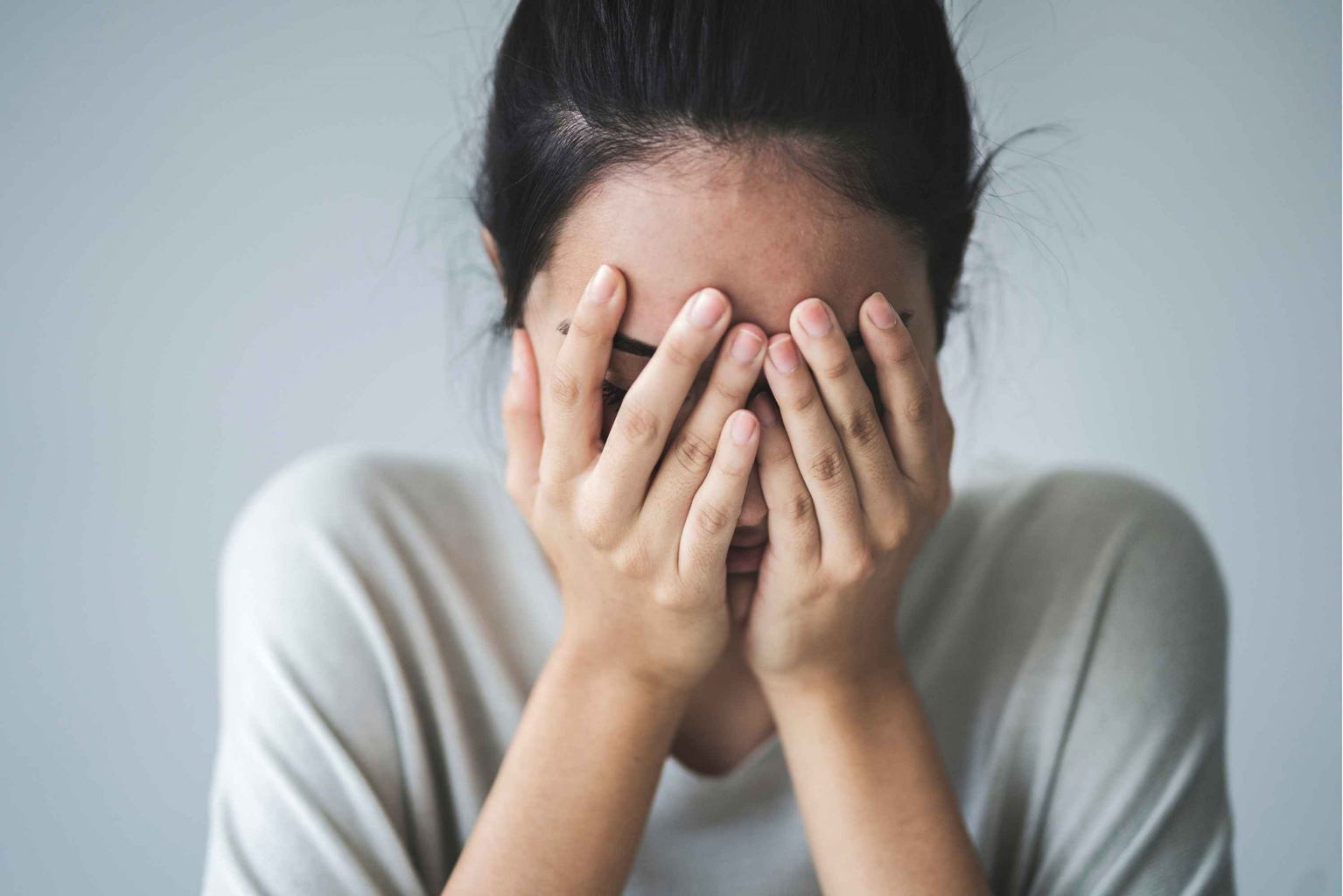
Anxiety is a normal part of life. Almost everyone feels nervous before an important event, worries about a difficult situation, or experiences fear when facing something unfamiliar. However, anxiety can become a problem when worry, fear, or physical symptoms happen frequently, feel difficult to control, or begin to interfere with everyday life.
Understanding anxiety symptoms and treatment can help people recognize when their feelings may need attention and learn about the different ways anxiety can be managed. Anxiety can affect the mind and body, but effective treatment and support are available.
What Is Anxiety?
Anxiety is the body’s natural response to stress or a perceived threat. When a person feels unsafe or under pressure, the brain can activate the body’s “fight-or-flight” response. This can cause changes such as a faster heartbeat, tense muscles, sweating, and increased alertness.
Occasional anxiety is not necessarily a sign of an anxiety disorder. The concern becomes greater when symptoms are persistent, intense, or disruptive.
There are several types of anxiety disorders, including generalized anxiety disorder, panic disorder, social anxiety disorder, and specific phobias. Although these conditions can look different from person to person, they often involve excessive fear or worry.
Common Anxiety Symptoms
Anxiety symptoms can be emotional, physical, and behavioral. Some people experience only a few symptoms, while others may experience many at the same time.
Emotional and Mental Symptoms
Common mental symptoms may include:
- Constant or excessive worrying
- Feeling restless or unable to relax
- Difficulty concentrating
- Feeling tense or on edge
- Expecting something bad to happen
- Difficulty controlling worries
- Irritability
- Feeling overwhelmed
- Fear in situations that may not present an actual danger
For some people, anxious thoughts can become repetitive. They may spend a lot of time thinking about possible problems or imagining negative outcomes.
Physical Symptoms
Anxiety can also produce noticeable physical changes. These may include:
- Rapid heartbeat
- Sweating
- Shaking or trembling
- Muscle tension
- Headaches
- Dizziness
- Stomach discomfort
- Nausea
- Shortness of breath
- Feeling tired
- Trouble sleeping
Because anxiety symptoms can resemble symptoms of other health conditions, new or severe physical symptoms should not automatically be assumed to be caused by anxiety.
How Anxiety Can Affect Daily Life
Anxiety can influence many parts of everyday life. Someone who is anxious may have difficulty sleeping because their mind continues to focus on worries. Another person may avoid social situations because they are afraid of being judged.
Work, school, relationships, and personal activities can also be affected. A person may find it harder to concentrate or make decisions. Avoiding situations that cause anxiety may provide temporary relief, but repeated avoidance can sometimes make fears harder to manage over time.
Recognizing these patterns is important because anxiety is not simply a matter of “thinking positively.” Persistent anxiety deserves understanding and appropriate care.
What Causes Anxiety?
There is usually no single cause of anxiety. Different factors can contribute to it.
Genetics may play a role, meaning some people may be more vulnerable to anxiety because of their family history. Brain chemistry and individual personality traits can also contribute.
Life experiences are another important factor. Stress at work or school, relationship difficulties, financial concerns, major life changes, trauma, or prolonged uncertainty can increase anxiety.
Certain medical conditions and medications can also produce symptoms that resemble anxiety. Caffeine and other stimulants may make anxiety symptoms stronger in some people.
Because causes can vary, a healthcare professional can help determine what may be contributing to a person’s symptoms.
Anxiety Treatment Options
The good news is that anxiety can often be managed with appropriate treatment. The right approach depends on the type and severity of anxiety, the person’s overall health, and their individual circumstances.
1. Psychotherapy
Psychotherapy, sometimes called talk therapy, is a common treatment for anxiety.
One widely used approach is cognitive behavioral therapy (CBT). CBT helps people identify unhelpful thought patterns and develop healthier ways to respond to anxious thoughts and situations.
Therapy may also include techniques that gradually help a person face feared situations in a safe and structured way. A trained mental health professional can determine which approach is appropriate.
2. Medication
Medication may be recommended for some people, particularly when anxiety symptoms are severe or significantly interfere with daily activities.
Depending on the condition, healthcare professionals may consider medications such as certain antidepressants or other medicines designed to reduce anxiety symptoms. Medication should be prescribed and monitored by a qualified healthcare professional.
People should not start, stop, or change anxiety medication without discussing it with their healthcare provider.
3. Lifestyle Changes
Healthy daily habits can support anxiety management. They may not replace professional treatment when treatment is needed, but they can be useful alongside it.
Regular physical activity can help improve mood and reduce stress. A consistent sleep schedule may also help the body and mind recover from daily stress.
Eating regular, balanced meals and staying hydrated can support general well-being. Some people also find it helpful to reduce caffeine, particularly if coffee, energy drinks, or other caffeinated products make their symptoms worse.
4. Relaxation Techniques
Relaxation practices can help calm the body’s stress response. Slow breathing, meditation, stretching, mindfulness, and gentle physical activity may help some people feel more settled.
For example, a person can take a few slow breaths and consciously relax tense muscles. These techniques may be especially useful during periods of temporary stress.
However, relaxation techniques should be viewed as supportive tools rather than a guaranteed cure for an anxiety disorder.
5. Social Support
Talking to someone trustworthy can make anxiety feel less isolating. A friend, family member, teacher, counselor, or healthcare professional may provide emotional support.
Some people also benefit from structured support groups where they can discuss their experiences with others who understand what anxiety can feel like.
When Should You Seek Professional Help?
Occasional worry is part of normal life, but professional support may be useful when anxiety:
- Happens frequently
- Is difficult to control
- Interferes with work, education, relationships, or sleep
- Causes repeated avoidance of everyday activities
- Leads to panic attacks
- Causes significant emotional distress
- Continues despite attempts to manage it yourself
A primary care doctor can help evaluate symptoms and determine whether another medical condition could be contributing. They may also refer someone to a mental health professional when appropriate.
If anxiety is accompanied by thoughts of self-harm or suicide, seek urgent help from local emergency services or a crisis service and stay with a trusted person if possible.
How to Manage Anxiety Day by Day
Managing anxiety is often a gradual process rather than something that happens overnight. Keeping a regular routine can provide a sense of structure.
Try to maintain consistent sleep and wake times, include movement in your day, take breaks when you feel overwhelmed, and make time for activities you genuinely enjoy.
It can also help to notice what triggers your anxiety. Writing down situations, thoughts, physical symptoms, and reactions may help you identify patterns. This information can be useful when discussing symptoms with a healthcare professional.
Most importantly, avoid blaming yourself. Anxiety is a real mental health concern, and experiencing it does not mean that someone is weak or incapable.
Final Thoughts
Learning about anxiety symptoms and treatment is an important first step toward getting appropriate support. Anxiety can affect thoughts, emotions, physical health, sleep, relationships, and everyday activities. Symptoms may range from excessive worry and restlessness to a racing heartbeat, muscle tension, and difficulty sleeping.
Treatment can include psychotherapy, medication, lifestyle changes, relaxation techniques, and social support. Not every treatment works the same way for everyone, so professional guidance can help identify an approach that fits the individual’s needs.
If anxiety is persistent or interfering with daily life, reaching out to a qualified healthcare or mental health professional is a positive step. With appropriate support and treatment, many people learn to manage anxiety and return to the activities and relationships that matter to them.
Frequently Asked Questions
1. What are the most common symptoms of anxiety?
Common symptoms include excessive worrying, restlessness, irritability, difficulty concentrating, muscle tension, sweating, trembling, rapid heartbeat, stomach discomfort, fatigue, and sleep problems. Symptoms vary from person to person.
2. Can anxiety go away on its own?
Temporary anxiety may improve when a stressful situation ends. However, persistent or severe anxiety may require professional support. If symptoms continue or interfere with daily life, speaking with a healthcare professional is recommended.
3. What is the most common treatment for anxiety?
Psychotherapy, particularly cognitive behavioral therapy, is a commonly used treatment. Depending on the person’s symptoms and circumstances, a healthcare professional may also recommend medication or other approaches.
4. Can lifestyle changes help with anxiety?
Yes. Regular physical activity, adequate sleep, balanced meals, reducing excessive caffeine, relaxation techniques, and maintaining social connections may support anxiety management. These strategies may be used alongside professional treatment when needed.
5. When should I see a doctor about anxiety?
Consider speaking with a healthcare professional when anxiety is persistent, difficult to control, causes significant distress, affects sleep or daily activities, or leads you to avoid normal responsibilities and situations. A professional can help identify the cause and discuss suitable treatment options.