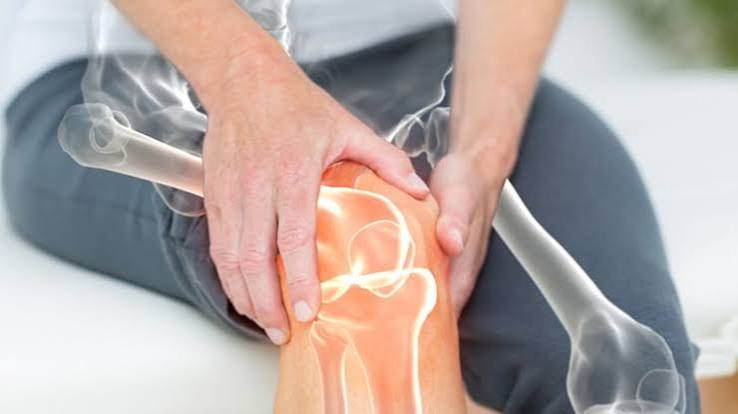
Orthopedic problems can affect almost anyone. They involve the bones, joints, muscles, ligaments, tendons, and other parts of the musculoskeletal system. Some conditions develop slowly because of aging or repeated stress, while others happen suddenly because of an injury.
Pain, stiffness, swelling, weakness, and difficulty moving are common signs that something may be wrong with the musculoskeletal system. Although minor aches often improve with rest, ongoing or severe symptoms may need medical attention.
Understanding common orthopedic problems can help you recognize symptoms early and take appropriate steps to protect your mobility and quality of life.
What Are Orthopedic Problems?
Orthopedic problems are conditions that affect the body’s musculoskeletal system. This system gives the body structure, allows movement, protects internal organs, and helps people perform everyday activities.
Orthopedic conditions can affect different areas, including:
- Bones
- Knees
- Hips
- Shoulders
- Elbows
- Wrists and hands
- Ankles and feet
- Spine
- Muscles and tendons
Some orthopedic conditions are caused by injuries, while others are related to aging, physical activity, genetics, poor posture, or long-term wear and tear.
1. Arthritis
Arthritis is one of the most common causes of joint pain. It refers to a group of conditions that can cause pain, swelling, stiffness, and reduced movement in the joints.
Osteoarthritis is particularly common and often develops as the tissues within a joint gradually change over time. It frequently affects the knees, hips, hands, and spine.
Common symptoms include:
- Joint pain
- Morning stiffness
- Swelling
- Reduced flexibility
- Pain that becomes worse with activity
Treatment depends on the type and severity of arthritis. It may include physical therapy, exercise, weight management, medications, assistive devices, or other medical treatments.
2. Back Pain
Back pain is another widespread orthopedic problem. It can result from muscle strain, poor posture, injuries, spinal changes, or problems involving discs and joints.
Sitting for long periods, lifting something incorrectly, or performing repetitive movements may contribute to back discomfort.
Symptoms can range from a mild ache to significant pain that makes normal activities difficult. Some people may also experience pain that travels into the legs when nerves are affected.
Maintaining good posture, staying physically active, strengthening the core muscles, and using safe lifting techniques can help protect the back.
Persistent or severe back pain should be evaluated by a healthcare professional, especially when it follows an injury or occurs with weakness, numbness, or other concerning symptoms.
3. Osteoporosis and Bone Fractures
Osteoporosis causes bones to become weaker and more likely to fracture. It may develop without obvious symptoms until a bone breaks.
Fractures can occur after falls, accidents, sports injuries, or other forms of trauma. In people with significantly weakened bones, even relatively minor incidents can sometimes result in fractures.
The wrist, hip, and spine are among the areas commonly affected by osteoporosis-related fractures.
Doctors may evaluate bone health using medical history, risk factors, and bone-density testing when appropriate. Treatment can include lifestyle changes, adequate calcium and vitamin D intake, exercise, fall prevention, and prescription medication when indicated.
4. Tendonitis
Tendons connect muscles to bones. When a tendon becomes irritated or inflamed, the condition may be called tendonitis.
It can develop because of repeated movements, sports activities, physical work, or sudden increases in activity.
Tendonitis can occur in areas such as:
- Shoulder
- Elbow
- Wrist
- Knee
- Achilles tendon
Pain is often worse when the affected area is used. Rest, activity modification, physical therapy, and appropriate medical treatment can help depending on the cause.
Ignoring ongoing tendon pain and continuing the activity that caused it may make recovery more difficult.
5. Sprains and Ligament Injuries
Ligaments are strong bands of tissue that connect bones and help stabilize joints. A sprain happens when a ligament is stretched or torn.
Ankle sprains are particularly common. They can happen when someone twists, rolls, or lands awkwardly on the foot.
Symptoms may include:
- Pain
- Swelling
- Bruising
- Tenderness
- Difficulty putting weight on the joint
- Limited movement
Mild sprains may improve with rest and supportive care, while severe ligament injuries may require further evaluation and rehabilitation.
6. Sports Injuries
Sports and physical activities provide many health benefits, but they can also cause orthopedic injuries. Common examples include muscle strains, ligament injuries, fractures, dislocations, and tendon problems.
Sports injuries can happen because of direct impact, sudden movements, overuse, poor technique, inadequate conditioning, or accidents.
Warming up before exercise, increasing activity gradually, using appropriate equipment, and allowing enough recovery time can reduce the risk of many injuries.
A healthcare professional should evaluate significant pain, swelling, deformity, or inability to use an injured body part normally.
7. Carpal Tunnel Syndrome
Carpal tunnel syndrome affects a nerve that passes through the wrist. Pressure on this nerve can cause symptoms in the hand and fingers.
People may experience:
- Tingling
- Numbness
- Burning sensations
- Hand weakness
- Difficulty gripping objects
Symptoms can sometimes become more noticeable at night or during activities that involve repeated wrist movements.
Treatment depends on the severity and cause. It may involve activity changes, wrist support, physical therapy, medication, injections, or surgery in certain cases.
8. Bursitis
Bursae are small, fluid-filled sacs that help reduce friction around joints. Bursitis occurs when one of these sacs becomes irritated.
It commonly affects areas such as the shoulder, elbow, hip, and knee.
Bursitis may cause localized pain, tenderness, swelling, and discomfort when moving the affected joint.
Repeated pressure, overuse, prolonged kneeling, or certain activities can contribute to the problem. Treatment may include reducing aggravating activities, physical therapy, medication, and other treatments recommended by a healthcare professional.
9. Disc Problems
The spine contains small structures called discs between many of its vertebrae. These discs help absorb shock and allow the spine to move.
Sometimes a disc can bulge or become herniated and irritate nearby nerves. This may cause back or neck pain, and in some cases, symptoms can travel into an arm or leg.
Treatment varies depending on the specific problem. Many people are initially treated with conservative measures such as activity modification, physical therapy, and medication. More serious cases may require additional medical intervention.
10. Joint Dislocations
A dislocation happens when the bones forming a joint are forced out of their normal position. It can happen because of falls, accidents, sports injuries, or significant impact.
The shoulder is one joint that can become dislocated, although dislocations can occur in other joints as well.
A dislocation can cause severe pain, swelling, abnormal appearance, and inability to move the joint normally. It requires prompt medical attention. A person should not try to force the joint back into place themselves.
When Should You See an Orthopedic Specialist?
Not every ache requires a specialist, but certain symptoms should not be ignored.
Consider seeking medical evaluation when you have:
- Pain that continues or keeps returning
- Significant swelling
- Difficulty walking or using a limb
- Reduced range of motion
- Repeated joint injuries
- Persistent numbness or tingling
- Pain that interferes with sleep or daily activities
- Symptoms that do not improve with basic self-care
After a serious injury, especially when there is an obvious deformity, severe pain, or inability to bear weight, prompt medical attention is important.
How Can You Protect Your Bones and Joints?
You cannot prevent every orthopedic problem, but healthy habits can help support your musculoskeletal system.
Regular physical activity helps maintain strength, flexibility, balance, and overall physical function. Strength training can support muscles around joints, while activities such as walking can help maintain general mobility.
Other helpful habits include:
- Maintain a healthy body weight.
- Use proper technique when lifting.
- Take breaks from repetitive activities.
- Wear suitable footwear.
- Warm up before strenuous exercise.
- Increase exercise intensity gradually.
- Practice good posture.
- Eat a balanced diet that provides important nutrients.
- Give your body enough time to recover after intense activity.
Final Thoughts
The term common orthopedic problems covers a wide range of conditions, from everyday back pain and arthritis to sports injuries, tendon problems, fractures, and nerve-related conditions.
The right treatment depends on the specific cause. Rest may help some minor problems, while others require physical therapy, medication, diagnostic testing, or specialized treatment.
Most importantly, persistent pain should not simply be accepted as a normal part of getting older or staying active. Paying attention to changes in movement, strength, and pain can help you seek appropriate care before a problem becomes more difficult to manage.
If an injury causes severe pain, significant swelling, deformity, numbness, or an inability to move or bear weight, seek prompt medical care.
Frequently Asked Questions
1. What are the most common orthopedic problems?
Common orthopedic problems include arthritis, back pain, fractures, sprains, tendonitis, bursitis, sports injuries, carpal tunnel syndrome, disc problems, and joint dislocations.
2. When should I see an orthopedic doctor?
You may benefit from an orthopedic evaluation when pain persists, movement becomes difficult, an injury does not improve, or symptoms such as swelling, weakness, numbness, or repeated joint problems occur.
3. Can orthopedic problems be prevented?
Not all orthopedic conditions can be prevented. However, regular exercise, maintaining a healthy weight, using proper lifting techniques, wearing supportive footwear, and avoiding sudden increases in physical activity can help reduce the risk of some problems.
4. Does orthopedic pain always require surgery?
No. Many orthopedic conditions can initially be managed with non-surgical treatments such as physical therapy, activity modification, medication, exercise, or other conservative approaches. Surgery is considered when appropriate based on the specific condition and individual circumstances.
5. Is joint pain always caused by arthritis?
No. Joint pain can have many causes, including injuries, tendon problems, bursitis, ligament damage, overuse, infections, and several types of arthritis. A healthcare professional can help determine the underlying cause when symptoms persist.