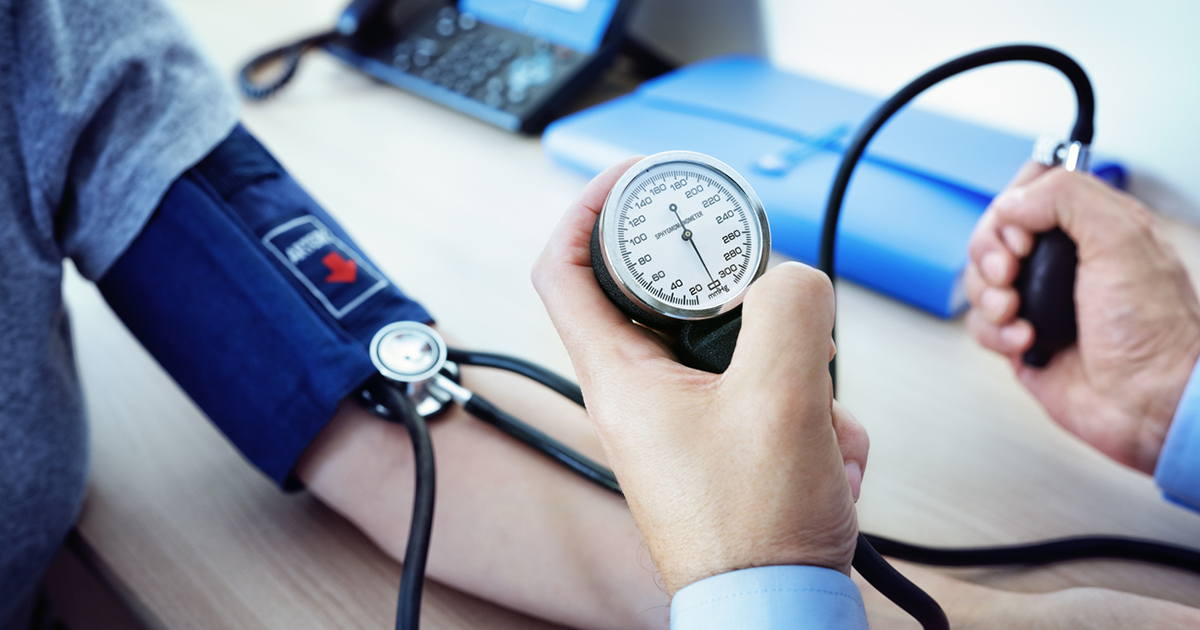
High blood pressure, also called hypertension, is one of the most common health conditions in adults. It often develops without obvious symptoms, which is why it is sometimes called a “silent” condition. A person may feel completely normal while their blood pressure is gradually putting extra stress on the heart, blood vessels, kidneys, brain, and other organs.
The good news is that high blood pressure can often be managed successfully. High blood pressure treatment usually involves a combination of healthy lifestyle habits, regular monitoring, and, when necessary, prescription medication. The right treatment depends on your blood pressure readings, overall health, age, risk factors, and other medical conditions.
What Is High Blood Pressure?
Blood pressure is the force of blood pushing against the walls of your arteries as your heart pumps blood around your body. A blood pressure reading has two numbers: systolic pressure and diastolic pressure.
The systolic number is the pressure when the heart contracts and pumps blood. The diastolic number is the pressure when the heart relaxes between beats.
Blood pressure can change throughout the day because of activity, stress, sleep, caffeine, illness, and other factors. A healthcare professional may recommend several readings over time before confirming a diagnosis of hypertension.
Because high blood pressure may not cause noticeable symptoms, routine blood pressure checks are important.
Why Does High Blood Pressure Need Treatment?
Untreated high blood pressure can gradually damage blood vessels and place additional pressure on the cardiovascular system. Over time, it can increase the risk of serious health problems, including heart disease, stroke, kidney problems, and other complications.
Treatment is not only about getting a lower number on a blood pressure monitor. The larger goal is to protect your long-term health and reduce the strain on your heart and blood vessels.
Some people can improve their blood pressure significantly through lifestyle changes. Others need medication as well. In many cases, both approaches work together.
Lifestyle Changes for High Blood Pressure Treatment
For many people, healthy lifestyle changes are an important part of controlling hypertension. These changes may also improve cholesterol, blood sugar, weight, sleep, and overall cardiovascular health.
1. Follow a Heart-Healthy Diet
Your daily diet can have a major effect on blood pressure. A heart-healthy eating pattern generally includes plenty of vegetables, fruits, whole grains, beans, nuts, and other nutrient-rich foods.
Reducing sodium is particularly important for many people with high blood pressure. Too much sodium can cause the body to retain fluid, which may increase blood pressure.
Try to limit highly processed foods, packaged snacks, processed meats, and foods that contain large amounts of added salt.
2. Maintain a Healthy Weight
Being overweight can increase the workload on the heart and contribute to high blood pressure. If you are above a healthy weight, even a modest amount of weight loss may benefit your blood pressure.
Instead of following extreme diets, focus on sustainable habits such as balanced meals, reasonable portions, regular physical activity, and fewer highly processed foods.
3. Exercise Regularly
Physical activity helps strengthen the heart and can support healthy blood pressure levels.
Many adults benefit from regular moderate-intensity activities such as brisk walking, cycling, swimming, or similar exercises. If you have been inactive for a long time or have other health concerns, speak with a healthcare professional before beginning a new exercise program.
The key is consistency. A short walk that becomes part of your daily routine can be more useful than an intense workout that you rarely do.
4. Quit Smoking
Smoking damages blood vessels and increases cardiovascular risk. Quitting smoking is an important step for people with hypertension because it supports overall heart and blood vessel health.
If quitting feels difficult, ask a healthcare professional about evidence-based smoking cessation support. Nicotine dependence can be challenging, but support can make the process easier.
5. Limit Alcohol
Drinking too much alcohol can contribute to higher blood pressure. If you drink alcohol, keeping consumption within recommended limits can be part of a healthier approach.
People who have difficulty controlling their blood pressure should discuss alcohol use with their healthcare provider.
6. Get Enough Sleep
Poor sleep and irregular sleep patterns can affect cardiovascular health. Adults should aim for a consistent sleep routine and enough sleep to feel rested.
If you regularly snore heavily, wake up gasping, or feel extremely tired during the day despite getting enough time in bed, talk to a healthcare professional. Sleep disorders such as sleep apnea can be associated with high blood pressure.
Medicines Used for High Blood Pressure
Lifestyle changes are not always enough. Depending on your individual situation, a doctor may prescribe medication as part of your high blood pressure treatment.
Several types of medicines are available.
ACE Inhibitors
ACE inhibitors help relax blood vessels by affecting a hormone system involved in blood pressure regulation. They are commonly used for hypertension and may be particularly useful for certain people with heart or kidney conditions.
Angiotensin II Receptor Blockers
Often called ARBs, these medicines also help relax blood vessels. They may be prescribed when an ACE inhibitor causes certain side effects or when an ARB is otherwise considered appropriate.
Calcium Channel Blockers
These medicines help relax blood vessels and can also affect the way the heart works. They are commonly used to treat hypertension.
Diuretics
Diuretics, sometimes called water pills, help the kidneys remove excess sodium and water from the body. This can reduce the amount of fluid circulating through the blood vessels and help lower blood pressure.
Other Medicines
There are additional classes of blood pressure medicines, including beta blockers and other medications. The choice depends on the person’s blood pressure, medical history, other medicines, age, kidney function, heart health, and potential side effects.
Never start, stop, or change a blood pressure medicine without discussing it with your healthcare professional.
Monitoring Your Blood Pressure at Home
Home monitoring can help you and your healthcare professional understand how your blood pressure behaves outside the clinic.
When measuring your blood pressure, sit quietly for several minutes beforehand. Keep your back supported, place your feet flat on the floor, and support your arm at approximately heart level. Follow the instructions for your specific monitor.
Keeping a written or digital record of your readings can be useful during medical appointments.
One unusual reading does not necessarily mean that your blood pressure is consistently high. Your healthcare professional can help interpret your readings in context.
What If Treatment Is Not Working?
Sometimes blood pressure remains high even when a person is taking medication and making healthy lifestyle changes. This does not necessarily mean treatment has failed.
Your healthcare professional may review your medication schedule, dosage, other medicines or supplements, diet, sleep, stress, kidney health, and other possible factors. Some people require more than one medication to control their blood pressure.
Taking prescribed medicine consistently is important. If side effects are bothering you, talk to your healthcare provider rather than stopping the medication on your own. There may be another treatment option that works better for you.
When Is High Blood Pressure an Emergency?
Extremely high blood pressure accompanied by symptoms such as chest pain, difficulty breathing, severe headache, confusion, weakness, numbness, vision changes, or difficulty speaking can indicate a medical emergency.
If you have a very high reading and concerning symptoms, seek emergency medical care immediately.
A person with high blood pressure should not wait for symptoms before getting routine medical care. Regular monitoring and appropriate treatment are important even when you feel well.
Final Thoughts
Effective high blood pressure treatment is usually a long-term process rather than a quick fix. Healthy eating, regular physical activity, maintaining a healthy weight, avoiding tobacco, limiting alcohol, getting adequate sleep, monitoring blood pressure, and taking prescribed medication can all play important roles.
The best treatment plan is different for each person. Work with a qualified healthcare professional to understand your blood pressure readings and determine which lifestyle changes, monitoring methods, and medications are appropriate for you.
With consistent care and regular follow-up, many people can successfully manage high blood pressure and protect their long-term heart and overall health.
Frequently Asked Questions
1. What is the best treatment for high blood pressure?
There is no single treatment that works best for everyone. Treatment may include lifestyle changes, medication, or a combination of both. Your healthcare professional can recommend an approach based on your blood pressure and overall health.
2. Can high blood pressure be treated without medicine?
Some people can improve their blood pressure through lifestyle changes, particularly when their blood pressure is only mildly elevated. However, others need medication to reduce their risk of complications. Do not stop prescribed medication without medical advice.
3. How long does it take for blood pressure treatment to work?
The time varies depending on the treatment. Some lifestyle changes can begin benefiting blood pressure relatively quickly, while medication may take days or weeks to reach its full effect. Regular monitoring helps determine whether treatment is working.
4. Should I check my blood pressure at home?
Home monitoring can be useful, especially for people diagnosed with hypertension or those whose healthcare professional wants additional readings. Use a validated monitor correctly and keep a record of your readings.
5. Can high blood pressure go away permanently?
High blood pressure can sometimes improve substantially with lifestyle changes, but many people need ongoing management. Even when readings become normal, continue following your healthcare professional’s advice and do not discontinue medication without discussing it with them.