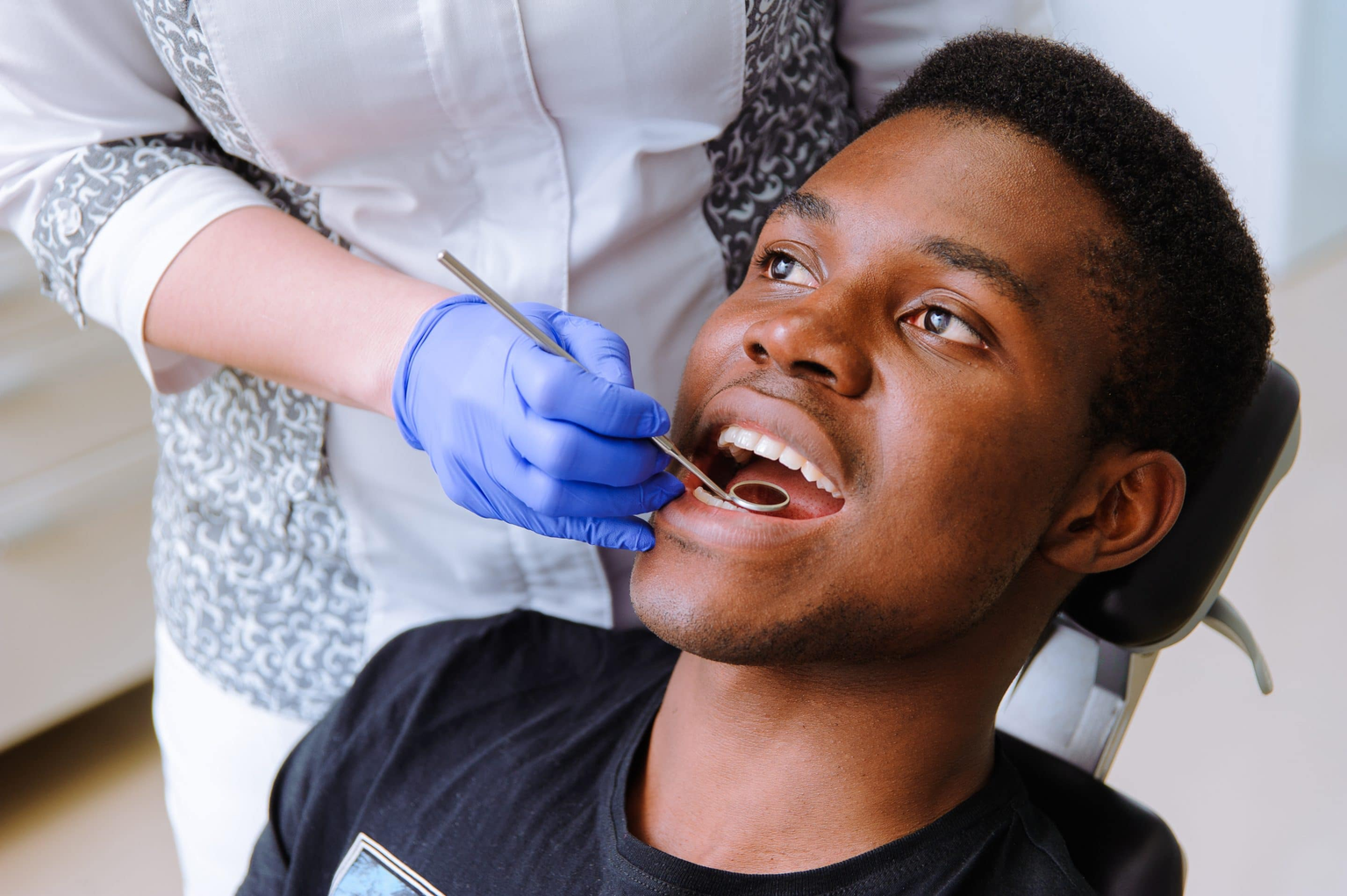
Going to the dentist is an important part of taking care of your overall health. Many people only make a dental appointment when they have a toothache, bleeding gums, or another noticeable problem. However, waiting until something hurts is not always the best approach. Regular dental visits can help identify problems early and keep your teeth and gums healthy.
So, how often should you visit the dentist? For many people, a dental checkup every six months is a common recommendation. However, the ideal schedule can be different for each person. Your age, oral health, dental history, diet, hygiene habits, and risk of dental disease can all affect how often you need professional dental care.
Why Are Regular Dental Visits Important?
Your daily brushing and flossing are essential, but they cannot always remove everything from your teeth. Plaque can build up in areas that are difficult to clean. Over time, plaque may harden into tartar, which usually cannot be removed effectively with a normal toothbrush.
During a dental visit, a dentist can check your teeth and gums for signs of problems such as cavities, gum disease, damaged teeth, or infections. Finding these problems early can make treatment simpler.
Regular appointments can also help you learn better brushing and flossing techniques. Your dentist may suggest changes based on the condition of your teeth and gums.
How Often Should You Visit the Dentist?
For many healthy adults, visiting the dentist about every six months is a useful routine. This allows your dentist to regularly examine your mouth and identify potential problems before they become more serious.
However, six months is not a strict rule for everyone. Some people may need dental appointments more frequently, while others may be able to visit less often based on their individual risk.
Your dentist may recommend a specific schedule after considering your oral health and medical history.
People Who May Need More Frequent Dental Visits
Some people have a higher risk of developing dental problems and may benefit from more frequent appointments.
People With Gum Disease
Gum disease can cause swollen or bleeding gums, bad breath, gum recession, and loose teeth. If you have current or previous gum disease, your dentist may want to monitor your gums more closely.
Regular professional cleanings and examinations can be an important part of managing gum health.
People With Frequent Cavities
If you regularly develop cavities, your dentist may recommend appointments more often than twice a year. Frequent cavities can be related to factors such as oral hygiene, diet, dry mouth, tooth structure, or certain medications.
Your dentist can help identify possible causes and recommend ways to reduce your risk.
People With Dental Appliances
Braces, retainers, dentures, and other dental appliances can require additional monitoring. Food and plaque may collect around certain appliances, making proper cleaning more difficult.
If you wear braces or another dental appliance, follow the schedule recommended by your dentist or orthodontist.
People With Dry Mouth
Saliva helps protect your teeth by washing away food particles and helping control acids in the mouth. People with persistent dry mouth may have a higher risk of tooth decay.
If you frequently experience a dry mouth, tell your dentist. They can discuss ways to protect your teeth and determine whether you need more frequent checkups.
What Happens During a Dental Checkup?
A regular dental appointment is more than simply looking at your teeth.
Your dentist may examine your teeth for cavities, cracks, worn areas, or other problems. They may also check your gums for signs of inflammation or disease.
A professional cleaning may remove plaque and tartar that regular brushing cannot eliminate. Depending on your situation, the dental team may also discuss flossing, brushing, diet, fluoride, or other aspects of oral care.
Sometimes, dental X-rays may be recommended. X-rays can help dentists identify problems that are not easily visible during a normal examination, such as certain cavities or issues below the gumline.
Not every patient needs X-rays at every appointment. Your dentist can decide when they are appropriate based on your dental history and risk factors.
Should Children Visit the Dentist Regularly?
Yes. Children should also receive regular dental care. Early dental visits can help parents understand how to care for their child’s teeth and allow dental professionals to identify developing problems.
Children’s teeth are still developing, and habits formed at a young age can influence their oral health later in life.
Regular visits can also help children become comfortable with dental appointments. A positive experience may make them less nervous about visiting the dentist as they grow older.
What About Older Adults?
Dental care remains important as people age. Older adults can experience changes in their teeth, gums, saliva production, and oral hygiene needs.
Some medications can contribute to dry mouth, while dental restorations such as crowns, bridges, or dentures may require ongoing care.
Older adults should follow an individualized dental schedule and tell their dentist about any changes in their oral health.
Don’t Wait for a Toothache
One of the biggest mistakes people make is assuming that they only need a dentist when something hurts.
Some dental problems may develop without causing noticeable symptoms at first. A small cavity, for example, may not hurt immediately. Gum disease can also progress without severe pain.
Regular dental examinations provide an opportunity to find problems before they become more complicated.
This does not mean every minor dental problem requires immediate treatment. Instead, regular checkups help you and your dentist understand what is happening in your mouth and decide what care is appropriate.
Signs You Should See a Dentist Sooner
Even if your regular dental appointment is still months away, certain symptoms should not be ignored.
Contact a dentist if you experience:
- Persistent tooth pain
- Swollen or bleeding gums
- Sensitivity that does not improve
- A broken or cracked tooth
- Loose permanent teeth
- Persistent bad breath
- Pain when chewing
- Swelling around the jaw or mouth
- A dental filling, crown, or other restoration that becomes damaged
- Mouth sores that do not heal
Severe swelling, difficulty breathing or swallowing, uncontrolled bleeding, or significant facial trauma may require urgent medical or dental attention.
How to Keep Your Teeth Healthy Between Visits
Dental appointments are important, but your everyday habits have a major role in maintaining oral health.
Brush your teeth twice a day using fluoride toothpaste unless your dental professional recommends otherwise. Clean between your teeth regularly with floss or another appropriate interdental cleaner.
Try to limit frequent sugary snacks and drinks because repeated exposure to sugar can contribute to tooth decay. Drinking water can also help keep your mouth comfortable and wash away food particles.
Avoid using your teeth to open packages or bite hard objects. These habits can cause cracks or other dental injuries.
If you smoke or use tobacco products, talk with a dental or healthcare professional about stopping. Tobacco use can negatively affect oral health and is associated with gum disease and other oral problems.
Does Everyone Need a Dental Visit Every Six Months?
Not necessarily. The idea of visiting every six months is a useful general routine, but dental care should be personalized.
For someone with excellent oral health and a low risk of dental problems, a dentist may recommend a different interval. Someone with gum disease, repeated cavities, or other risk factors may need to visit more frequently.
The most useful question is not simply, “Do I have to go every six months?” Instead, ask your dentist what schedule is appropriate for your particular oral health.
Making Dental Visits Part of Your Routine
It can be easy to postpone dental appointments when you feel healthy. Work, school, family responsibilities, and other commitments can make routine healthcare difficult to prioritize.
One simple approach is to schedule your next appointment before leaving the dental office. Keeping appointments on a calendar or setting a reminder can also make regular visits easier.
Think of dental checkups as preventive care rather than something you only need when there is pain. Regular professional care, combined with good daily habits, can help you maintain your teeth and gums over the long term.
Final Thoughts
So, how often should you visit the dentist? For many people, a dental checkup around every six months is a common starting point, but there is no single schedule that works for everyone.
Your dentist may recommend a different frequency depending on your oral health, dental history, age, and risk of cavities or gum disease. More importantly, don’t wait for serious pain before seeking care. Regular examinations can help detect potential problems early and give you personalized advice for keeping your mouth healthy.
Good oral health is built through both professional dental care and everyday habits. Brushing, cleaning between your teeth, making thoughtful food choices, and attending recommended dental appointments can all contribute to a healthier smile.
Frequently Asked Questions
1. How often should you visit the dentist if you have healthy teeth?
Many people with healthy teeth and gums have dental checkups about every six months. However, your dentist may recommend a different schedule depending on your individual needs and risk factors.
2. Can I go to the dentist only when my tooth hurts?
It is better not to wait for pain. Some dental problems can develop without obvious symptoms. Regular checkups allow a dentist to look for potential issues before they become more serious.
3. How often should children visit the dentist?
Children should have regular dental checkups according to the schedule recommended by their dental professional. Their needs can change as their teeth develop, so individualized care is important.
4. Why do my gums bleed when I brush?
Bleeding gums can have several causes, including plaque buildup and gum inflammation. Frequent or persistent bleeding should be discussed with a dentist so the cause can be identified.
5. What should I do if I miss my regular dental appointment?
Schedule another appointment when possible. Missing one appointment does not mean you should wait until you develop symptoms. Keeping up with recommended dental visits helps support long-term oral health.