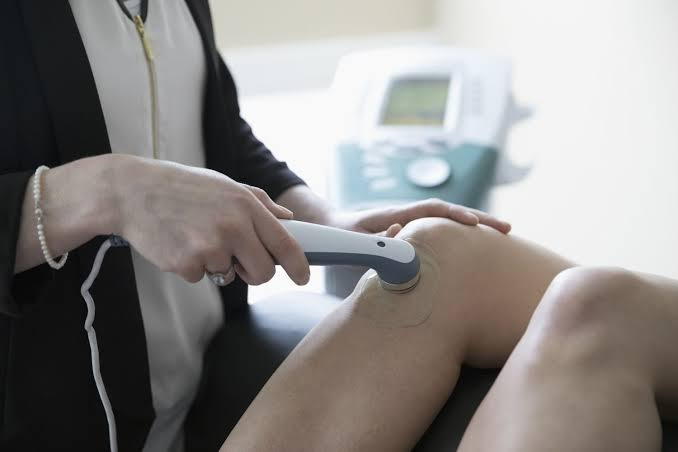
Physical therapy can help people move better, reduce pain, regain strength, and return to their normal activities. Whether you are recovering from an injury, dealing with a long-term condition, or trying to improve mobility after surgery, physical therapy offers several treatment approaches.
The right treatment depends on your condition, symptoms, age, lifestyle, and recovery goals. A physical therapist usually evaluates how your body moves before creating an individualized treatment plan.
In this guide, we will explain the most common physical therapy treatment options, how they work, and what you can expect during treatment.
What Is Physical Therapy?
Physical therapy is a healthcare approach focused on improving movement and physical function. Physical therapists work with patients who have pain, injuries, weakness, stiffness, balance problems, or difficulty performing everyday activities.
Treatment does not always mean using machines or receiving hands-on therapy. Exercise, movement training, education, and lifestyle changes are often important parts of recovery.
A physical therapist may work with you to improve flexibility, strength, balance, coordination, endurance, and overall movement.
Why Do People Need Physical Therapy?
People seek physical therapy for many different reasons. Some need help after an accident or sports injury, while others have ongoing pain or difficulty moving.
Common reasons for physical therapy include:
- Back and neck pain
- Joint pain and stiffness
- Sports injuries
- Muscle strains and sprains
- Recovery after surgery
- Arthritis
- Balance problems
- Difficulty walking
- Muscle weakness
- Work-related injuries
- Recovery after certain neurological conditions
Physical therapy can also help people prevent future injuries by teaching safer movement patterns and exercises.
Common Physical Therapy Treatment Options
There is no single treatment that works for everyone. A therapist may combine several approaches depending on the patient’s needs.
1. Therapeutic Exercise
Exercise is one of the most common physical therapy treatment options. Your therapist may prescribe specific exercises designed to improve strength, flexibility, balance, or endurance.
For example, someone recovering from a knee injury may perform exercises that strengthen the muscles around the knee. A person with back pain may receive exercises that improve core strength and mobility.
The exercises are usually progressed gradually. As your body becomes stronger, the therapist may increase repetitions, resistance, or difficulty.
The goal is not simply to exercise more. It is to perform the right exercises in the right way for your condition.
2. Manual Therapy
Manual therapy involves hands-on techniques performed by a physical therapist. These techniques may be used to improve movement, reduce stiffness, and help patients feel more comfortable.
Depending on the condition, manual therapy can include joint mobilization, soft-tissue techniques, and other hands-on approaches.
For example, if a joint is stiff after an injury, a therapist may use appropriate hands-on techniques alongside exercises to help restore movement.
Manual therapy is often used as part of a broader treatment plan rather than as the only treatment.
3. Stretching and Flexibility Training
Limited flexibility can make movement difficult and may contribute to problems with normal physical activity. Stretching can help improve range of motion when appropriately prescribed.
A physical therapist may teach you stretches for specific muscles or joints. The therapist can also explain how long to hold a stretch and how often to perform it.
Stretching should generally be comfortable rather than forceful. Trying to push a painful area too far can potentially make an injury worse.
4. Strength Training
Weak muscles can affect posture, balance, walking, and everyday activities. Strength training is therefore an important part of many rehabilitation programs.
A therapist might use body-weight exercises, resistance bands, weights, or other equipment.
Strengthening may focus on a specific injured area or the whole body. For example, someone recovering from shoulder problems may gradually strengthen the muscles supporting the shoulder joint.
5. Balance and Coordination Training
Balance problems can increase the risk of falls and make everyday activities more difficult.
Physical therapists can use balance exercises to help patients improve stability and coordination. Exercises may include standing on different surfaces, changing positions, stepping exercises, or practicing controlled movements.
Balance training can be particularly useful for older adults and people recovering from certain injuries or neurological conditions.
6. Gait and Walking Training
Some people have difficulty walking after an injury, surgery, illness, or neurological problem. Gait training focuses on improving the way a person walks.
A therapist may observe your walking pattern and identify areas that need improvement.
Treatment might involve practicing steps, improving leg strength, working on balance, or learning how to safely use an assistive device such as a cane or walker.
The objective is to make movement safer and more efficient.
7. Pain Management Techniques
Pain can make it difficult to move and participate in normal activities. Physical therapists may use different strategies to help patients manage pain while working toward improved function.
Treatment can include therapeutic exercise, movement education, manual techniques, activity modification, and other approaches appropriate for the patient’s condition.
Rather than simply avoiding movement because of discomfort, patients may learn how to gradually return to useful activities in a safe and controlled way.
8. Heat and Cold Therapy
Heat and cold may sometimes be used as supportive treatments during physical therapy.
Heat can help some people feel more comfortable and relaxed before movement or exercise. Cold therapy may be used in certain situations to help manage discomfort.
These treatments are generally used alongside active rehabilitation rather than replacing exercises and movement training.
Your therapist can determine whether heat or cold is appropriate for your specific situation.
9. Posture and Body Mechanics Training
Poor movement habits can contribute to discomfort or make certain activities harder. Physical therapists can teach patients how to improve posture and body mechanics.
This may be especially helpful for people who spend long hours sitting, lifting objects, standing at work, or performing repetitive tasks.
You may learn how to adjust your workstation, lift objects safely, change positions, and use better movement techniques during everyday activities.
10. Home Exercise Programs
Physical therapy does not end when you leave the clinic. Many therapists provide home exercises that patients can perform between appointments.
Following the recommended home program can help maintain progress and build strength over time.
Your therapist may adjust the program as your condition improves. It is important to perform exercises as instructed and communicate if an exercise causes unusual or worsening symptoms.
How Is the Right Treatment Chosen?
The best physical therapy treatment options depend on the individual.
During an initial assessment, a therapist may ask about your symptoms, medical history, daily activities, and goals. They may also evaluate your strength, flexibility, balance, posture, and movement.
Based on this assessment, the therapist can develop a treatment plan.
For example, two people with knee pain may receive different programs. One person may need strength training after an injury, while another may need mobility exercises and activity guidance.
Your treatment can also change over time. As your strength and movement improve, exercises may become more challenging.
How Long Does Physical Therapy Take?
The length of physical therapy varies widely. Some people need only a few sessions, while others require treatment for several weeks or longer.
Recovery depends on factors such as the type and severity of the problem, overall health, consistency with exercises, and individual response to treatment.
Instead of focusing only on the number of appointments, it can be more useful to track functional improvements, such as walking more comfortably, climbing stairs, returning to sports, or performing daily activities more easily.
Tips for Getting Better Results
You can make your physical therapy experience more effective by being an active participant in your recovery.
Follow your therapist’s instructions and complete your home exercises as recommended. Tell your therapist if your pain changes or if an exercise feels difficult or uncomfortable.
Try to be patient. Rehabilitation is often a gradual process, and progress may not happen at the same speed every day.
Most importantly, avoid comparing your recovery with someone else’s. Every body and injury is different.
Final Thoughts
There are many physical therapy treatment options, from therapeutic exercise and strength training to manual therapy, balance training, gait training, and home exercise programs. The most appropriate combination depends on your condition and personal recovery goals.
Physical therapy is generally most effective when patients and therapists work together. A good treatment plan focuses not only on reducing symptoms but also on helping you regain useful movement and confidence in everyday activities.
If you have persistent pain, difficulty moving, or are recovering from an injury or surgery, speak with an appropriate healthcare professional to determine whether physical therapy may be suitable for you.
Frequently Asked Questions
1. What are the most common physical therapy treatment options?
Common options include therapeutic exercises, stretching, strength training, manual therapy, balance training, gait training, posture education, and home exercise programs. A therapist may combine several methods based on your condition.
2. Can physical therapy help with chronic pain?
Physical therapy can be part of a treatment plan for some types of chronic pain. Exercise, movement education, strengthening, and activity modification may help improve physical function and manage symptoms.
3. How often should I attend physical therapy?
The recommended frequency depends on your condition and treatment goals. Your physical therapist can create a schedule based on your assessment and adjust it as your recovery progresses.
4. Should I exercise at home between physical therapy sessions?
Many patients receive home exercises to continue their rehabilitation between appointments. Follow the exercises and instructions provided by your therapist rather than adding difficult exercises on your own.
5. Is physical therapy painful?
Some exercises or movements may feel challenging, especially when rebuilding strength or mobility, but treatment should be appropriate for your condition. Tell your therapist about significant, unusual, or worsening pain so the treatment can be adjusted if necessary.