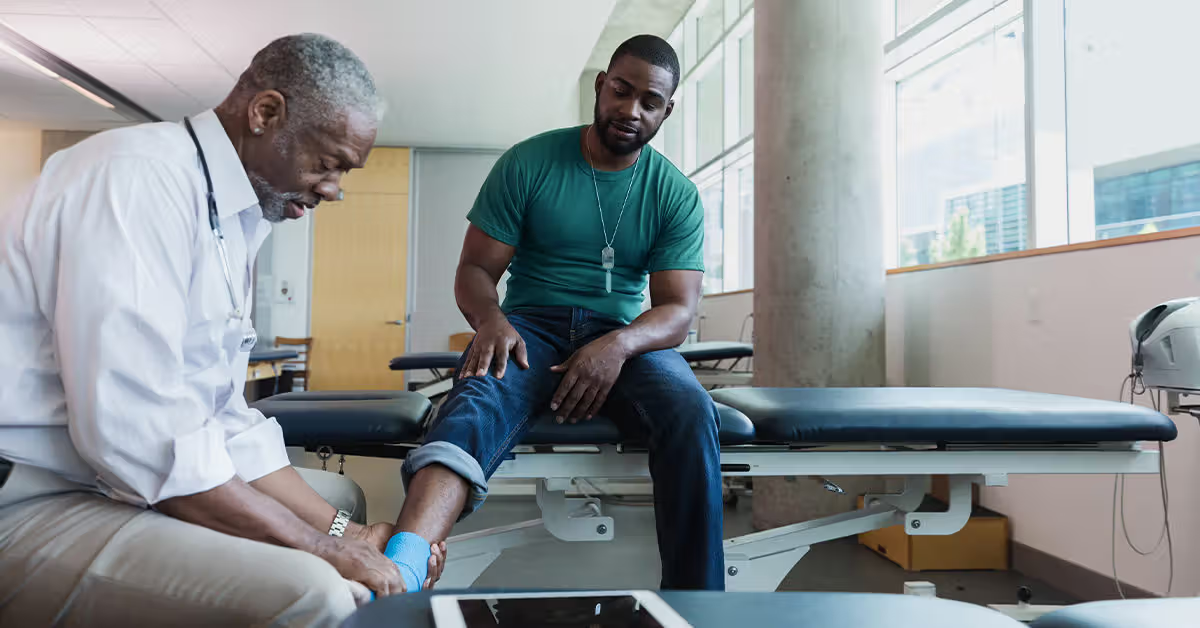
Pain in your bones, joints, muscles, or back can make everyday activities difficult. Sometimes, a little rest and home care are enough to make you feel better. However, ongoing or severe pain may be a sign that you need professional medical attention.
Knowing when to see an orthopedic doctor can help you get the right treatment before a minor problem becomes more serious. Orthopedic doctors specialize in conditions involving the musculoskeletal system, including bones, joints, muscles, ligaments, tendons, and related tissues.
Whether you have a sports injury, persistent joint pain, a fracture, or difficulty moving normally, an orthopedic doctor can evaluate the problem and recommend an appropriate treatment plan.
What Does an Orthopedic Doctor Do?
An orthopedic doctor, also called an orthopedic specialist, diagnoses and treats problems affecting the body’s musculoskeletal system. This includes conditions involving the:
- Bones
- Joints
- Muscles
- Ligaments
- Tendons
- Cartilage
- Spine
Orthopedic doctors treat both sudden injuries and long-term conditions. Treatment does not always mean surgery. Depending on the problem, an orthopedic specialist may recommend physical therapy, medication, exercises, lifestyle changes, injections, or other nonsurgical treatments. Surgery may be considered when other treatments are not enough or when the injury requires it.
When to See an Orthopedic Doctor
There is no single rule that applies to everyone. The right time to see an orthopedic doctor depends on your symptoms, how long they have lasted, and whether they interfere with your daily life.
Here are some common situations in which an orthopedic consultation may be helpful.
1. Persistent Joint Pain
Occasional aches can happen after physical activity, exercise, or an unusually busy day. But pain that continues for several days or keeps returning deserves attention.
Persistent pain in the knee, shoulder, hip, elbow, wrist, or ankle may have different causes. Arthritis, tendon problems, cartilage damage, overuse injuries, and other conditions can contribute to joint pain.
If joint pain is affecting your ability to walk, work, sleep, exercise, or perform normal activities, consider speaking with a healthcare professional.
2. You Have Difficulty Moving a Joint
Limited movement is another important reason to seek medical advice.
For example, you may notice that you cannot fully bend your knee, raise your arm, rotate your shoulder, or move your hip comfortably. Stiffness can sometimes develop gradually, while other times it appears after an injury.
An orthopedic doctor can assess the joint and determine whether the problem is related to inflammation, injury, arthritis, or another condition.
3. You Have a Sports Injury
Sports can place significant stress on bones, joints, muscles, and connective tissues. Common sports injuries include sprains, strains, tendon injuries, dislocations, and fractures.
If you experience significant pain, swelling, bruising, weakness, or difficulty putting weight on an injured limb, professional evaluation may be appropriate.
Some injuries can appear minor at first but become more troublesome if they are not treated properly. Getting an accurate diagnosis can help you understand what activities are safe while you recover.
4. You Suspect a Broken Bone
A suspected fracture requires prompt medical evaluation.
Severe pain, swelling, bruising, an abnormal appearance of a limb, or an inability to use the injured area can occur with a broken bone. In some cases, people may still be able to move the injured area despite having a fracture.
If you suspect that you have broken a bone, seek medical care rather than trying to diagnose or treat it yourself.
For an obvious deformity, an open wound near a suspected fracture, severe bleeding, numbness, or a limb that looks pale or blue, seek emergency medical attention immediately.
5. Back or Neck Pain Keeps Coming Back
Back and neck pain are extremely common and can have many causes. Muscle strain may improve with rest and conservative care, but recurring or persistent pain should not simply be ignored.
An orthopedic specialist can evaluate certain musculoskeletal causes of back and neck problems and determine whether additional testing or treatment is needed.
However, back or neck pain accompanied by serious symptoms such as new loss of bladder or bowel control, significant weakness, or numbness around the groin area requires urgent medical assessment.
6. Pain Is Getting Worse Instead of Better
Many minor injuries gradually improve with appropriate rest and basic care. If your symptoms are becoming worse instead of improving, it may be time to seek professional advice.
Increasing swelling, worsening pain, reduced movement, or increasing difficulty using an affected body part can indicate that the problem needs further evaluation.
Getting treatment earlier may also help you understand how to protect the injured area and avoid making the condition worse.
7. You Notice Swelling, Instability, or a Feeling of “Giving Way”
A joint that repeatedly feels unstable can interfere with everyday activities.
For example, your knee may suddenly give way while walking, or your ankle may repeatedly twist. Shoulder instability can also make certain movements uncomfortable or difficult.
These symptoms can sometimes be associated with injuries to ligaments, tendons, cartilage, or other structures. An orthopedic examination can help identify the underlying problem.
8. You Have Signs of Arthritis
Arthritis can cause joint pain, stiffness, swelling, and reduced mobility. Symptoms may develop gradually and can become more noticeable over time.
If joint stiffness makes it difficult to climb stairs, open containers, walk, exercise, or perform other normal activities, discuss your symptoms with a healthcare professional.
An orthopedic doctor can help evaluate musculoskeletal problems and discuss available treatment options. Depending on the type of arthritis and your individual situation, treatment may involve exercise, physical therapy, medications, injections, weight management, or other approaches.
9. Everyday Activities Have Become Difficult
One of the most useful signs that you should seek medical advice is a change in your normal abilities.
If pain or stiffness prevents you from doing things you previously did comfortably, such as walking, climbing stairs, lifting objects, sleeping, or participating in hobbies, it is worth getting evaluated.
You do not necessarily need to wait until the pain becomes severe. Early evaluation can help identify possible causes and provide guidance about appropriate treatment.
10. Previous Treatment Has Not Helped
Sometimes people try rest, over-the-counter medication, stretching, or home exercises without seeing improvement.
If symptoms continue despite reasonable self-care, a healthcare professional can reassess the problem. An orthopedic doctor may recommend imaging or other tests when appropriate and help determine whether a different treatment approach is needed.
What Happens During an Orthopedic Appointment?
Many people feel nervous before seeing a specialist because they do not know what to expect.
During an orthopedic appointment, the doctor will usually ask about your symptoms, when they started, what makes them better or worse, and whether you have experienced an injury.
The doctor may also examine the affected area and check your range of motion, strength, swelling, tenderness, and joint stability.
Depending on your symptoms, additional tests such as an X-ray, MRI, CT scan, or other diagnostic tests may be recommended.
Your treatment plan will depend on the diagnosis and severity of the condition.
Does Seeing an Orthopedic Doctor Always Mean Surgery?
No. Seeing an orthopedic doctor does not automatically mean you will need surgery.
Many orthopedic conditions can initially be managed without an operation. Depending on the diagnosis, treatment may include physical therapy, activity modification, medications, exercises, braces, or injections.
Surgery is generally considered only when it is appropriate for the specific condition and when the expected benefits outweigh the risks.
Your doctor can explain the available options and help you understand what treatment may be suitable for your situation.
When Should You Seek Emergency Care?
Some injuries should not wait for a routine orthopedic appointment.
Seek urgent or emergency medical attention if you experience:
- Severe pain after a major injury
- A visibly deformed bone or joint
- Heavy bleeding
- An open fracture
- Sudden loss of movement
- Severe numbness or weakness
- A limb that becomes unusually pale, blue, or cold
- Serious injury involving the head, neck, or spine
Emergency care may be necessary before seeing an orthopedic specialist.
How Can You Prepare for an Orthopedic Visit?
Before your appointment, write down when your symptoms began and how they have changed. It can also help to note:
- Where the pain is located
- What activities make it worse
- Whether you have swelling or stiffness
- Previous injuries
- Medications you currently take
- Treatments you have already tried
- Any relevant medical or imaging reports
Being prepared can make it easier to explain your symptoms and understand the doctor’s recommendations.
Final Thoughts
Knowing when to see an orthopedic doctor can help you take musculoskeletal problems seriously without becoming unnecessarily worried about every ache or pain. Persistent joint pain, repeated injuries, limited movement, suspected fractures, worsening symptoms, and problems that interfere with daily activities are all reasons to consider professional evaluation.
Orthopedic care is not limited to surgery. Many conditions can be managed with nonsurgical treatments, rehabilitation, and changes in activity.
If you are unsure whether your symptoms require an orthopedic appointment, a primary care doctor or other qualified healthcare professional can also help determine the appropriate next step.
The most important thing is not to ignore persistent or worsening symptoms. Getting an accurate diagnosis can help you understand what is causing the problem and what treatment options are available.
Frequently Asked Questions
1. When should I see an orthopedic doctor for joint pain?
Consider seeing an orthopedic doctor when joint pain persists, repeatedly returns, becomes worse, limits movement, or interferes with everyday activities. Sudden severe pain after an injury may require more immediate medical evaluation.
2. Can an orthopedic doctor treat back pain?
Yes. Orthopedic specialists can evaluate many musculoskeletal causes of back pain. However, back pain can have several causes, so the appropriate healthcare professional depends on your symptoms and diagnosis.
3. Do I need a referral to see an orthopedic doctor?
This depends on your healthcare system, insurance plan, and the specialist’s practice. Some patients can schedule an orthopedic appointment directly, while others may need a referral from a primary care provider.
4. Does every orthopedic problem require surgery?
No. Many orthopedic conditions are treated without surgery. Treatment can include physical therapy, exercise, medication, activity modification, braces, or other approaches depending on the condition.
5. How do I know if an injury is serious?
Severe pain, significant swelling, deformity, inability to use the injured body part, severe numbness or weakness, or an open wound near a suspected fracture can indicate a serious injury. These symptoms should receive prompt medical attention.