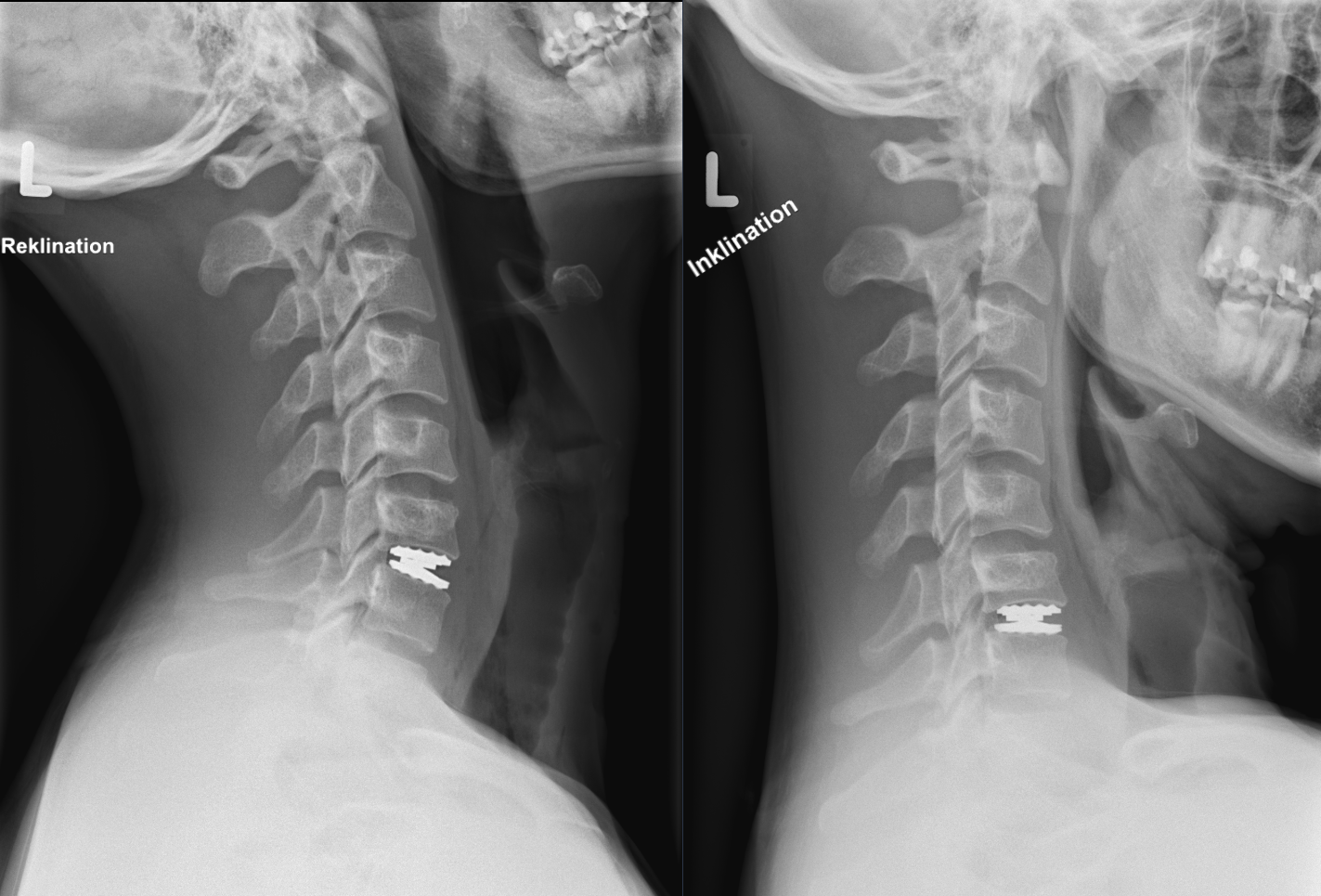
Disc replacement surgery is a spinal procedure that removes a damaged intervertebral disc and replaces it with an artificial one. Intervertebral discs sit between the vertebrae, which are the bones of the spine, and they act as cushions that support movement. Here’s information about what the procedure involves, how it compares to spinal fusion, and what patients may ask:
Defining Disc Replacement Surgery
Surgeons also refer to disc replacement as artificial disc replacement or total disc arthroplasty. During the procedure, a surgeon removes a damaged disc and inserts a device made of metal, medical-grade plastic, or a combination of both. Engineers design these devices to preserve motion between the vertebrae above and below the affected level. Surgeons perform disc replacement in two primary areas of the spine:
- Cervical disc replacement: Targets a disc in the neck
- Lumbar disc replacement: Targets a disc in the lower back
The right approach depends on where the damage occurs and what a surgeon determines after a full evaluation.
Comparing Disc Replacement and Fusion
Spinal fusion is a well-established procedure for disc-related concerns, and disc replacement differs from it in a fundamental way. In a fusion, the surgeon removes the disc and joins two or more vertebrae, so they heal into one solid segment. Hardware such as screws, rods, or plates holds the bones in position during that process.
In disc replacement, the surgeon places an artificial disc in the cleared space. This preserves motion at that spinal level rather than eliminating it. Your surgeon remains the most reliable source of guidance on which approach fits your situation. Bring your full health history to that conversation; this allows the surgical team to recommend the right option.
Evaluating Patient Candidacy
Surgeons assess candidacy on an individual basis. Many patients who undergo disc replacement surgery have degeneration at one or two spinal levels, and they have already worked through nonsurgical options such as physical therapy or medication. Each case requires a thorough review before a surgeon moves forward. Certain factors, such as an active infection, may make a patient a less suitable candidate. A full evaluation typically includes a physical exam, a health history review, and imaging such as X-rays or an MRI.
Understanding the Surgery and Recovery
Disc replacement takes place under general anesthesia. For a cervical procedure, the surgeon makes a small incision at the front of the neck; for a lumbar procedure, the surgeon reaches the spine through the abdomen, sometimes with the assistance of a vascular or general surgeon. After clearing the disc, the surgeon places the artificial device and uses imaging to confirm its position.
Recovery timelines vary from person to person. Many patients begin walking shortly after surgery; your care team can provide guidelines on lifting, bending, driving, and returning to work. Follow-up imaging appointments and physical therapy are standard parts of recovery.
Patients may also arrive with practical questions. Device lifespan depends on the specific implant and the individual, so ask your surgeon for data on the device they plan to use. If you wonder whether future MRI scans are possible, the answer depends on your implant’s materials. Keep a record of your device details and share them with any provider who orders imaging.
Consult a Qualified Surgeon
Disc replacement surgery removes a damaged spinal disc and replaces it with an artificial device designed to maintain motion; this sets it apart from spinal fusion. Surgeons evaluate each patient individually, and recovery plans reflect that same personalized approach. To learn whether this procedure applies to your situation, schedule a consultation with a spine specialist and bring your questions to the appointment.