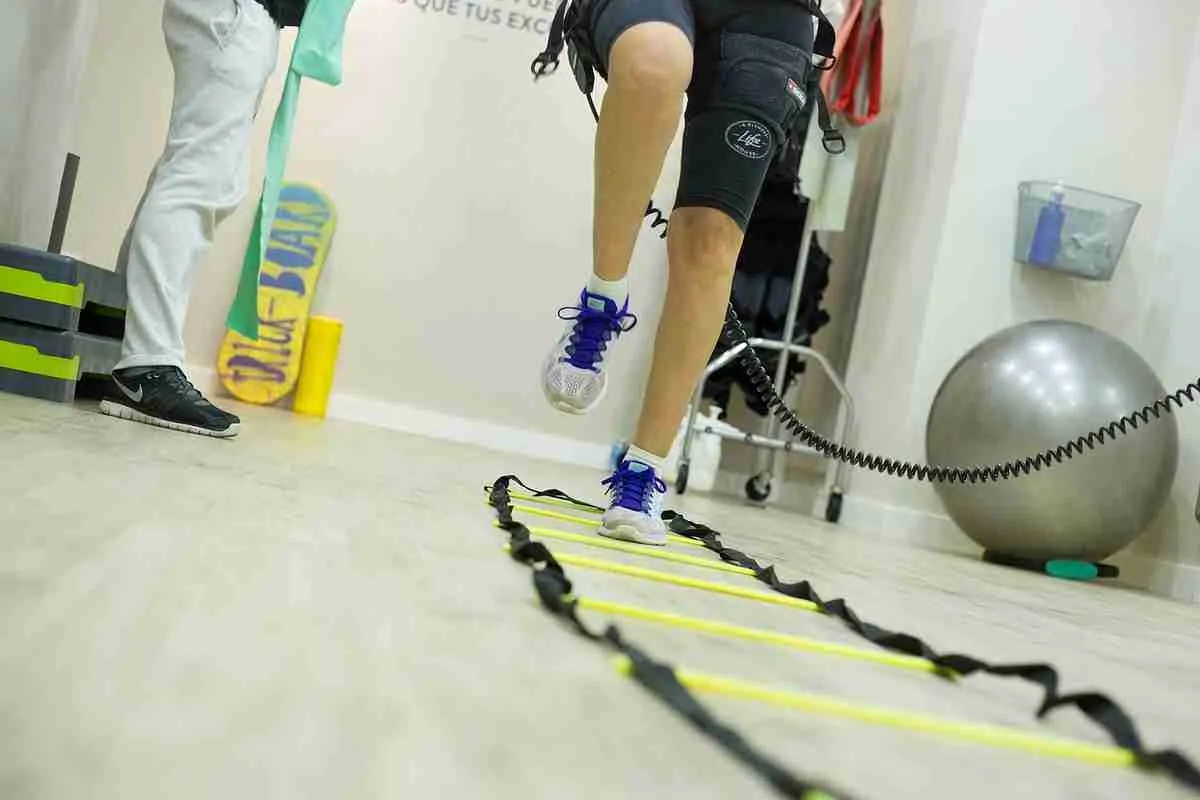
Many types of surgery involve a recovery period that includes physical therapy, especially for patients who undergo joint replacements, spinal surgery, rotator cuff repair, or ACL reconstruction. Physical therapy can be part of a recovery plan after certain abdominal, cardiac, or cancer-related surgeries as well. In each case, a licensed physical therapist evaluates your current function and designs a program based on your procedure and recovery goals. Here’s information on physical therapy and how it supports post-surgery recovery:
Helping You Maintain Mobility
After surgery, you need to spend more time resting than usual, but extended periods of limited movement can lead to:
- Stiffness
- Muscle Weakness
- Reduced Endurance
Physical therapy introduces movement in a structured way that matches your recovery stage. Early sessions may focus on basic tasks such as sitting up, standing, walking short distances, and moving between a bed and a chair. Your therapist may also need to teach you how to use a walker or crutches at home. Your therapist observes how you move during each session and adjusts your exercises as your strength and balance change.
Helping You Progress Safely
Recovery from surgery happens in stages. Moving too quickly stresses healing tissues, while moving too little may slow your return to normal activities. A physical therapist works within your surgeon’s guidelines to help you advance at an appropriate pace. Many procedures come with specific limits on movement, weight-bearing, or lifting. Your physical therapist reviews these restrictions and designs exercises that respect them.
Restrictions can seem limiting at first, but they protect the surgical site during the early phases of healing. People recovering from hip replacement may need to avoid certain bending or twisting motions for several weeks. Patients who have had shoulder surgery may wear a sling and limit how far they raise the arm. As healing continues, your therapist introduces new challenges in measured steps. Exercises may progress from assisted movements to independent movements and then to light resistance.
Your therapist may track factors such as range of motion, walking distance, and balance to guide these changes safely. Each new exercise builds on the previous one, allowing your body to adapt over time. Your therapist will also explain how to know an activity is too demanding, such as increased swelling or pain.
Helping You Improve Joint Flexibility
Surgery near or within a joint can affect how far that joint moves, but physical therapists use several techniques to address range of motion after surgery. Swelling, scar tissue formation, and periods of immobilization may all contribute to reduced flexibility. Flexibility goals vary by procedure and include stretching exercises, guided movements, and hands-on techniques known as manual therapy. Your therapist measures joint angles at regular intervals to monitor changes over time.
Plan for Post-surgical Physical Therapy
To stay informed about your healthcare, ask your surgeon whether postoperative physical therapy is recommended for your procedure. You may also want to ask when sessions typically begin, how often they take place, and how long the program usually lasts. Your surgeon will explain whether therapy will take place in the hospital or at an outpatient clinic, and what you can generally expect. Discuss planning for postoperative physical therapy sessions at your next consultation.